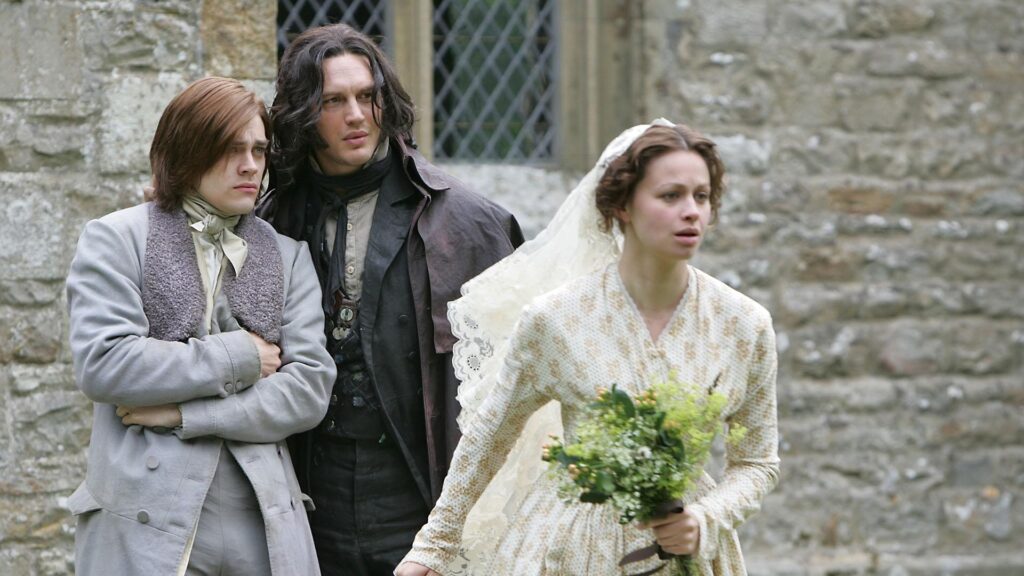
Introduction
‘Wuthering Heights’ is widely regarded as one of the greatest novels in English literature. Written by Emily Brontë and published in 1847, it remains a pivotal exploration of love, revenge, and social class. Its themes resonate with modern audiences, making the novel an essential piece of reading for anyone interested in literary history.
Plot Overview
The novel chronicles the tumultuous relationship between Heathcliff and Catherine Earnshaw, starting from their childhood in the isolated setting of the Yorkshire moors. Heathcliff, an orphan taken in by the Earnshaw family, develops a deep, passionate bond with Catherine. However, their love is thwarted by class differences and personal choices, leading to a cycle of vengeance and despair that affects subsequent generations.
Character Analysis
Heathcliff, the anti-hero of the tale, embodies the struggle against societal constraints. His complex character elicits both sympathy and revulsion as he seeks revenge against those who wronged him. Catherine embodies the conflict between societal expectations and personal desire, showcasing the profound impact of her choices on those around her. Supporting characters like Edgar Linton and Nelly Dean further enrich the narrative, providing a multifaceted view of the events.
Themes and Significance
At its core, ‘Wuthering Heights’ addresses themes of love that transcends social boundaries, the destructiveness of revenge, and the haunting nature of the past. Brontë’s portrayal of the Yorkshire moors is vivid and symbolic, reflecting the characters’ emotional landscapes. The novel is also a poignant commentary on the rigid social hierarchies of the 19th century, which continue to resonate today.
Conclusion
The impact of ‘Wuthering Heights’ extends beyond its initial publication, inspiring countless adaptations in film, theater, and literature. It challenges readers to reflect on human emotions and the darker aspects of love, establishing its place as a timeless classic. As literary discussions evolve, ‘Wuthering Heights’ remains relevant, encouraging new generations to explore its depths and complexities.