Introduction
Tierra del Fuego, an archipelago located at the southernmost tip of South America, is a unique destination that attracts tourists and researchers alike. Its name, which translates to ‘Land of Fire’ in Spanish, was derived from the sight of the indigenous inhabitants’ fires by the first European explorers. This remote region is known for its breathtaking landscapes, rich biodiversity, and diverse cultures, making it an area of significant interest for travelers and environmental enthusiasts.
Geographical Significance
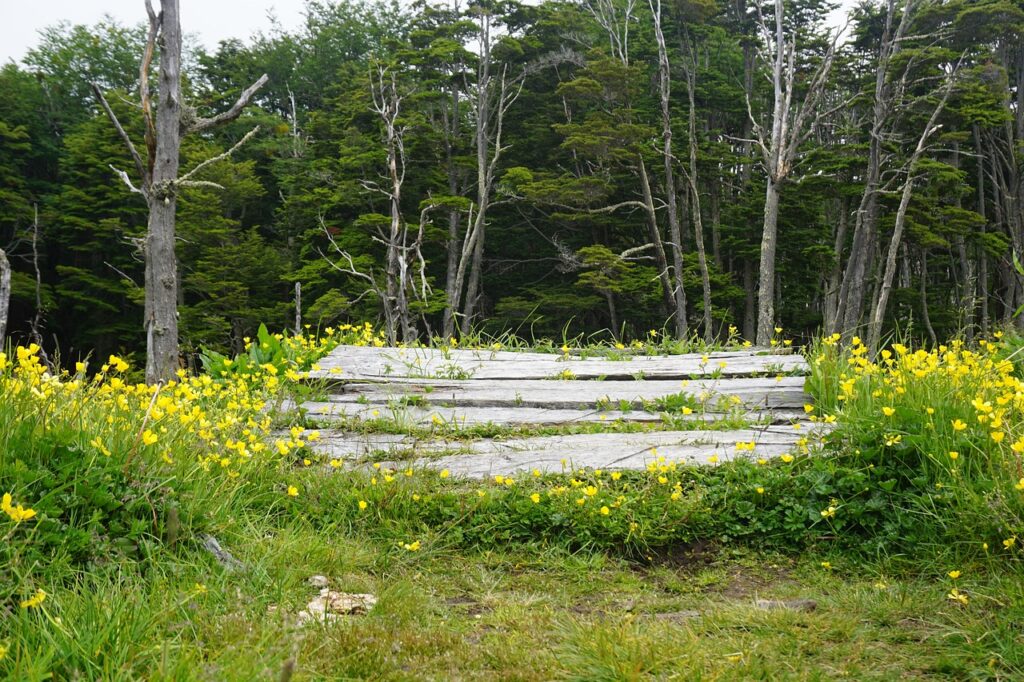
Tierra del Fuego is comprised of several islands, with the main island being split between Chile and Argentina, which often brings discussions about territorial sovereignty. The archipelago features a range of environments from subpolar forests to vast ice fields and has been recognized as a biosphere reserve by UNESCO. Its unique weather patterns and geographical layouts make it home to a variety of species, including the endangered red fox and the famous albatross.
Cultural Aspects
The indigenous communities, including the Selk’nam and Yaghan peoples, have inhabited Tierra del Fuego for thousands of years. Their traditions and lifestyles have been significantly influenced by the harsh climatic conditions of the region. Recent efforts in cultural revival and preservation aim to keep their history alive, especially as modernization brings new challenges. The blending of indigenous cultures with European influences creates a fascinating social tapestry that defines the region today.
Tourism and Conservation Efforts
Tierra del Fuego has become increasingly popular among tourists seeking adventure, with activities ranging from hiking in the national parks to wildlife watching. The most notable sites include the Tierra del Fuego National Park in Argentina, known for its picturesque hiking trails, and the Cape Horn National Park in Chile, famous for its rugged coastlines and maritime history. However, with increasing tourist activity comes the responsibility of preservation. Local governments and organizations are working to create sustainable tourism practices that protect the environment while still allowing visitors to experience the archipelago’s natural beauty.
Conclusion
Tierra del Fuego remains a vital area for both ecological research and cultural preservation. As interest in the archipelago grows, it is essential to balance tourism with conservation efforts to ensure that this unique part of the world can be appreciated for generations to come. The harmonious blend of nature and culture found in Tierra del Fuego continues to offer insights into our planet’s diversity and the importance of protecting it.