Introduction
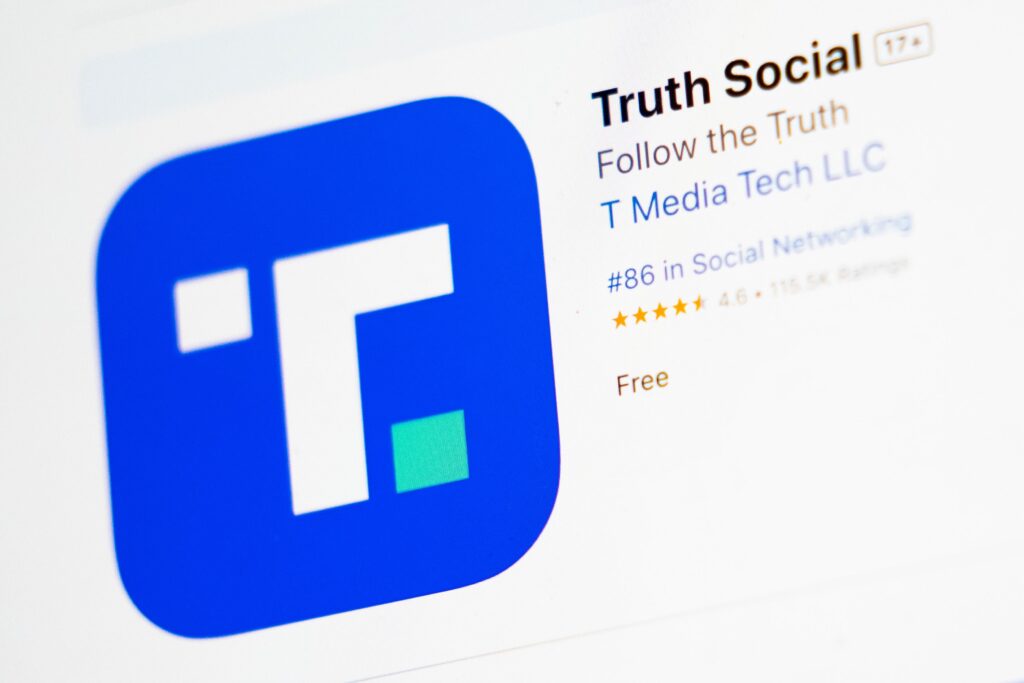
Truth Social, a social media platform launched by former U.S. President Donald Trump, has garnered significant attention in recent months. As one of the alternatives to mainstream social media, it aims to provide a space for open communication and to counter perceived censorship from existing platforms. This concept has sparked conversations around freedom of expression and the evolving landscape of social media.
The Rise of Truth Social
Launched in February 2022 by Trump Media & Technology Group (TMTG), Truth Social was created as a response to what Trump characterized as ‘Big Tech’ censorship. The platform emphasizes free speech and claims to adhere to less restrictive moderation policies than traditional platforms like Facebook and Twitter. As of October 2023, Truth Social has seen a surge in downloads and user registrations, particularly among conservative groups disillusioned with other social media.
Key Features and User Experience
Truth Social features a familiar interface for users of social media platforms, allowing them to post ‘Truths’, reply to one another in a thread format, and follow other users. Notably, the platform incorporates functions typical of other social media services, including trending topics and user notifications. This approach seeks to create a community where users feel safe to express their beliefs and opinions.
Despite its growth, Truth Social has faced challenges regarding technical issues with server outages and functionality. Many users have expressed dissatisfaction with the app’s performance and accessibility, particularly during high-traffic events.
Political and Social Implications
The emergence of Truth Social raises questions about the future of social media and its role in political discourse. Advocates argue that it promotes free speech, while critics contend that it may foster echo chambers, amplified misinformation, and extremist views. As the platform continues to develop, its impact on political communication, as well as social polarization, remains to be seen.
Conclusion
As Truth Social continues to evolve, its growth will be crucial in shaping discussions around social media in the context of freedom of speech and digital censorship. For users, it represents not just a new platform, but also a significant shift in the dynamics of online communication. Stakeholders in social media, including users and regulators, will need to monitor and assess its influence on public discourse in the coming years.