Introduction
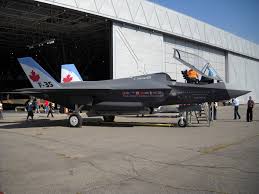
The acquisition of F-35 fighter jets by Canada is a strategic move that highlights the importance of modernizing the country’s military capabilities. As geopolitical tensions rise and the need for advanced defense systems becomes increasingly vital, Canada’s investment in these advanced aircraft is a significant step in enhancing its national security. The F-35 program, spearheaded by Lockheed Martin, promises to provide the Royal Canadian Air Force (RCAF) with state-of-the-art technology and capabilities necessary to operate effectively in diverse environments.
F-35 Acquisition Details
On March 28, 2022, Canada officially announced its decision to purchase 88 F-35A Lightning II aircraft, with a total investment estimated at $19 billion CAD. This decision follows a comprehensive evaluation process that spanned several years, assessing various aircraft models to determine the best fit for Canada’s defense needs. The F-35s are set to replace the aging fleet of CF-18 Hornets, which have been essential to Canada’s air defense for several decades.
The first delivery of the F-35s is expected in 2026, with plans for full operational capability by 2030. This timeline aligns with Canada’s commitment to enhance its aerial combat capabilities and contribute to NATO missions and North American defense initiatives.
Significance of the F-35 Fighter Jets
The F-35 is not just another fighter aircraft; it incorporates advanced stealth features, sensor fusion technology, and multi-role capabilities, allowing it to perform a variety of missions, from air-to-air combat to ground support. This versatility is critical as Canada aims to modernize its military force in response to evolving threats.
Moreover, the F-35 program is expected to create thousands of jobs in Canada, particularly in the aerospace sector. Canadian companies will play a vital role in the supply chain for the F-35 program, facilitating innovation and economic growth within the country.
Conclusion
As Canada prepares to welcome the F-35 fighter jets into its arsenal, the implications are profound for both national security and industry. With global tensions becoming more pronounced, enhancing air defense capabilities is essential for safeguarding national interests. Looking ahead, the integration of the F-35 into Canada’s defense infrastructure will not only bolster military readiness but also promote economic development across the nation. As Canada takes this significant step forward, stakeholders will be watching closely to see how the nation adapts to and capitalizes on these advanced military assets.