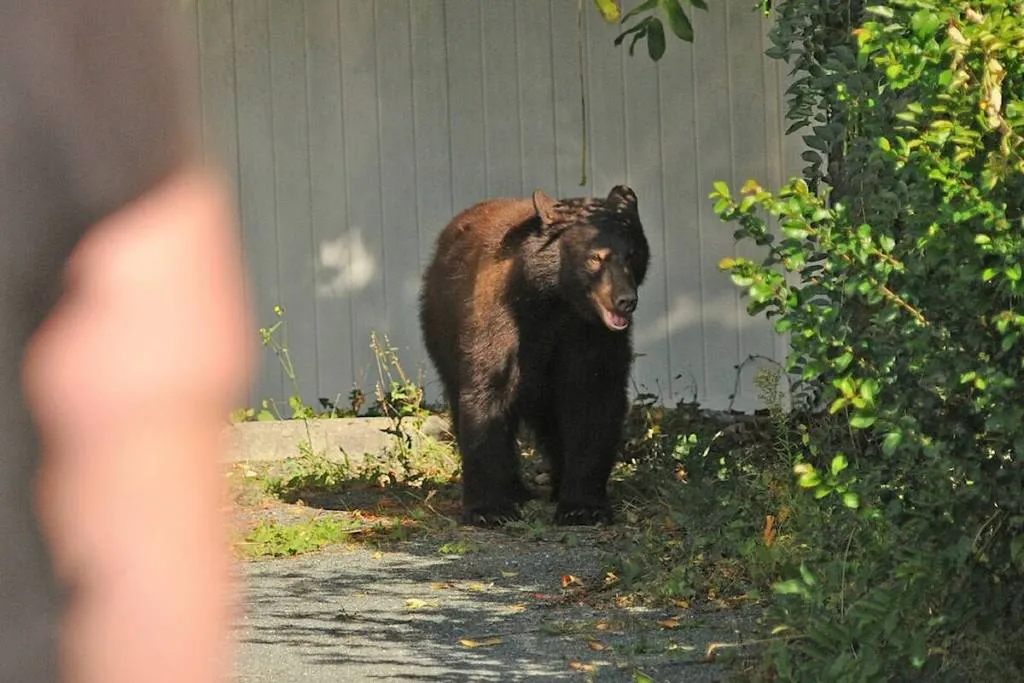
In Prince George, a unique wildlife research initiative is underway. Residents are being asked to collect bear feces—yes, you read that right—as part of a study aimed at understanding how bears behave in urban areas. This project is now in its second year, and so far, it has yielded over 130 samples from community members eager to contribute to the research.
Vanessa Fetterly, one of the project coordinators, encourages participation by saying, “Pick it up just like you would dog poop.” It’s a simple ask that connects local residents with the natural world around them.
However, not all stories from the region are as uplifting. In nearby Chilliwack, animal protection officers recently rescued five animals from a distressing situation—a feces-filled RV. When they knocked on the door, they could hear the animals whining inside. Matt Affleck from the BC SPCA described the conditions as “beyond troubling,” with filthy surroundings including urine-soaked garbage.
The rescued animals—a trio of Shiba Inu-mix dogs, a hairless Chihuahua, and a cat—were in dire need of care. After being taken to a BC SPCA animal centre for recovery, they required deworming and antibiotics for various skin conditions. “Heartbreakingly, all the animals were desperate for attention,” noted the manager of the animal centre.
This stark contrast highlights two different relationships with feces in our communities: one serving scientific inquiry and wildlife conservation, while the other reveals neglect and cruelty towards pets.
The bear feces collection project continues until late October when bears will go into hibernation. This ongoing research aims to compare samples from wild bears and those in captivity at places like the Calgary Zoo.
As communities engage with these issues—whether by contributing to important ecological studies or responding to urgent animal welfare needs—they reflect a broader commitment to both wildlife preservation and compassion for domestic animals.
While one group of residents is focused on understanding urban bear behavior through their droppings, another group is working hard to rehabilitate animals rescued from appalling conditions. The community spirit shines through both initiatives.