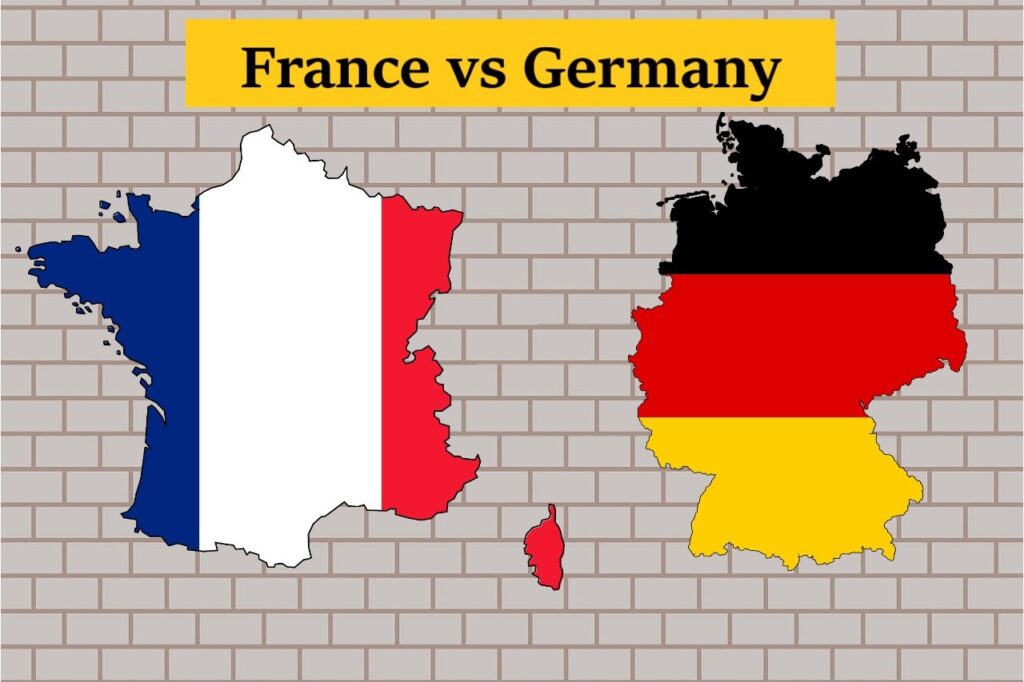
Introduction
The rivalry between Germany and France is one of the most significant and enduring relationships in Europe. This dynamic has shaped not only the political and economic landscape of the continent but also sports and culture. Understanding this rivalry is crucial as it influences alliances, competitions, and even the direction of the European Union.
History and Context
The tensions between Germany and France date back centuries, rooted in wars, territorial disputes, and ideological differences. Following World War II, both nations shifted their focus towards cooperation and integration, leading to the establishment of the European Economic Community in 1957, which eventually evolved into the European Union (EU). Today, Germany and France are seen as leaders within the EU, with their policies often influencing the direction of European integration.
Current Events: Politics and Economics
In recent news, the political dynamics between the two countries have been tested due to differing approaches towards energy policies and economic recovery strategies in the wake of the COVID-19 pandemic. Germany’s reliance on renewable energy contrasts with France’s dependence on nuclear power, causing friction in discussions about EU-wide energy strategies.
Additionally, as inflation rises in Europe, both countries are urging for a more cohesive fiscal response, though disagreements exist about fiscal limits and budgetary controls. A recent meeting between leaders of Germany and France aimed to align strategies ahead of upcoming EU summits.
Rivalry in Sports
The sports rivalry between Germany and France is just as intense, particularly in football. Their encounters often showcase thrilling matches, reflecting the passion and skill of both nations. Most recently, the two teams faced off in a crucial match during the UEFA Euro 2024 qualifiers, with France emerging victorious, reigniting discussions about their competitive edge on the international stage.
Conclusion
The Germany vs France rivalry remains a central element of European identity, influencing politics, economics, and sports. As both nations navigate current challenges, their relationship will be pivotal in shaping the future of the EU and providing insights into larger geopolitical trends. For readers, understanding this rivalry offers a lens through which the complexities of European affairs can be interpreted and appreciated, highlighting the delicate balance between competition and cooperation.