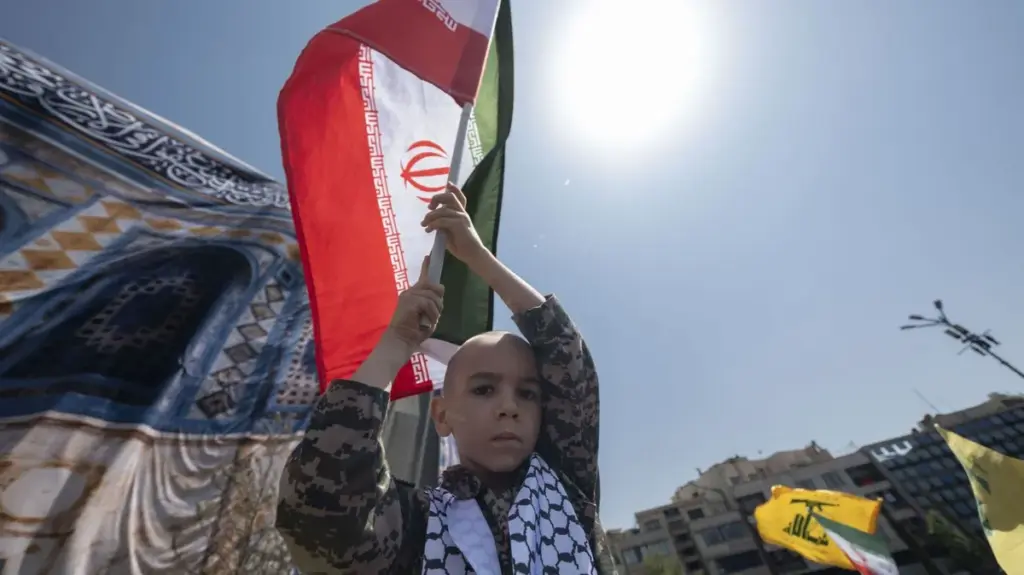
Reaction from the field
The Iran War, which erupted following US and Israeli strikes against Iran, has now claimed over 3000 lives in just a month, with devastating consequences felt across the region. The conflict has not only led to significant casualties but has also intensified diplomatic tensions, particularly involving Pakistan as a facilitator for potential peace talks.
Since the war began, Iranian authorities have reported that over 1900 individuals have died within Iran, while Lebanon has seen more than 1200 casualties. The violence has also extended to Iraq, where 80 security forces have lost their lives, and 20 deaths have been recorded in Gulf states. In the occupied West Bank, the conflict has resulted in 4 fatalities, highlighting the widespread impact of the war.
As the situation escalates, the Iranian Parliament president has declared that ongoing talks are merely a facade, especially in light of the recent deployment of 2500 US Marines to the Middle East. This military presence has raised alarms in Tehran, prompting warnings of retaliation after airstrikes targeted several universities, which the Iranian Revolutionary Guard has condemned, demanding a US response by March 30.
In a bid to ease tensions, Iran has softened restrictions on commercial vessels in the Strait of Hormuz, allowing an additional 20 Pakistani-flagged ships to navigate the vital waterway. This move reflects Iran’s attempts to maintain economic stability amidst the chaos, while also signaling a willingness to engage in dialogue.
Pakistan has emerged as a crucial player in the diplomatic landscape, with Finance Minister Ishaq Dar expressing satisfaction that both Iran and the United States have shown confidence in Pakistan’s role as a facilitator. This development comes as the US has proposed a 15-point action list to Iran through Pakistan, outlining a potential framework for peace negotiations. Meanwhile, Iran has drafted its own five-point proposal, indicating a readiness to engage in discussions.
Despite these diplomatic overtures, uncertainties loom over the peace process. It remains unclear whether the upcoming talks in Pakistan will be direct or indirect, and the specifics of the US’s proposed peace framework have yet to be disclosed. As both sides prepare for potential negotiations, the stakes remain high, with the region holding its breath for any sign of de-escalation.
As the conflict continues to unfold, the humanitarian toll grows heavier, and the international community watches closely. The Iranian government has been labeled by some as the main threat to the security of the Persian Gulf, a sentiment echoed by various regional leaders. The path forward is fraught with challenges, and details remain unconfirmed as the world awaits further developments in this critical situation.