How it unfolded
In the vibrant city of Los Angeles, California, a significant event has unfolded that has captured the attention of both local residents and international observers. On April 4, 2026, Hamideh Soleimani Afshar, the niece of the late Iranian general Qassem Soleimani, was arrested alongside her daughter by US federal agents. This arrest occurred in the context of heightened tensions following the onset of a US and Israeli war on Iran, which began just a few weeks earlier on February 28, 2026.
Hamideh Soleimani Afshar had been living a lavish lifestyle in Los Angeles, a stark contrast to the political turmoil surrounding her family name. The US State Department accused her of being an ‘outspoken supporter’ of the Iranian regime, a claim that has sparked significant controversy. As the situation escalated, public pressure mounted, leading to the revocation of her permanent residency status. Reports indicate that a petition calling for her deportation garnered over 4,000 signatures, reflecting the community’s divided sentiments regarding her presence in the country.
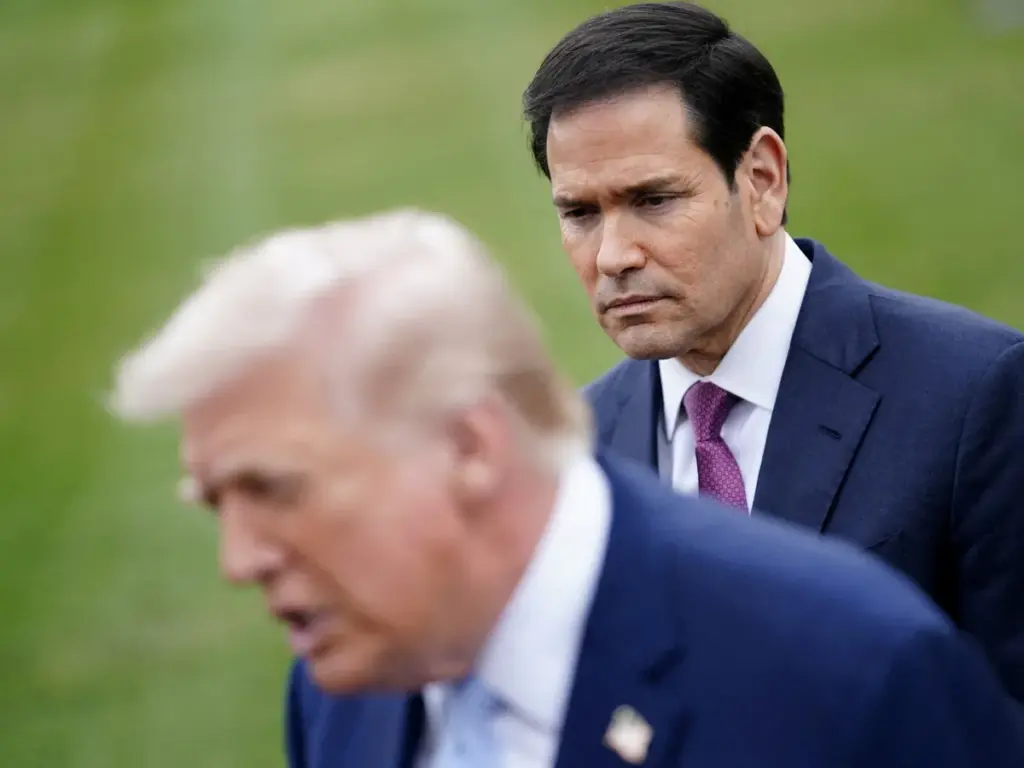
The arrests were not isolated incidents; they are part of a broader trend where the US government has taken similar actions against relatives of Iranian leaders. Marco Rubio, a prominent US Senator, stated that he terminated Soleimani Afshar’s legal status due to her comments supporting the Iranian regime. He emphasized, “The Trump Administration will not allow our country to become a home for foreign nationals who support anti-American terrorist regimes.” This statement underscores the political climate in which these events are occurring.
As the community grapples with the implications of these arrests, the family of Hamideh Soleimani Afshar has publicly defended her. Zeinab Soleimani, her daughter, vehemently denied any ties to Qassem Soleimani, asserting that “the individuals arrested in the United States have no connection whatsoever to martyr Soleimani, and the claim made by the US State Department is false.” This defense highlights the complexities of identity and familial connections in the face of political accusations.
Currently, both Hamideh and her daughter are being held by Immigration and Customs Enforcement (ICE), with their future uncertain. Reports indicate that Soleimani Afshar’s husband is also barred from entering the US, further complicating the family’s situation. The community watches closely as the legal proceedings unfold, aware that the outcome could have lasting effects on their neighborhood and its relationship with broader geopolitical issues.
Public sentiment remains mixed, with some viewing the arrests as necessary actions against individuals perceived as threats, while others see them as unjust targeting of a family based on their lineage. Laura Loomer, a political activist, referred to the arrests as “a big scalp,” indicating a sense of victory for those advocating for stricter immigration policies. This phrase encapsulates the contentious atmosphere surrounding the case.
As the situation develops, it serves as a reminder of the intricate ties between personal lives and international politics. The community of Los Angeles, known for its diversity and resilience, now faces the challenge of reconciling its values with the actions of its government. The case of Hamideh Soleimani Afshar is not just about one family; it reflects broader themes of immigration, identity, and the impact of foreign policy on local communities.
Details remain unconfirmed regarding the next steps for Soleimani Afshar and her daughter, but the community continues to rally around them, highlighting the importance of solidarity in times of uncertainty. As discussions around immigration and national security persist, the voices of those directly affected will be crucial in shaping the narrative moving forward.