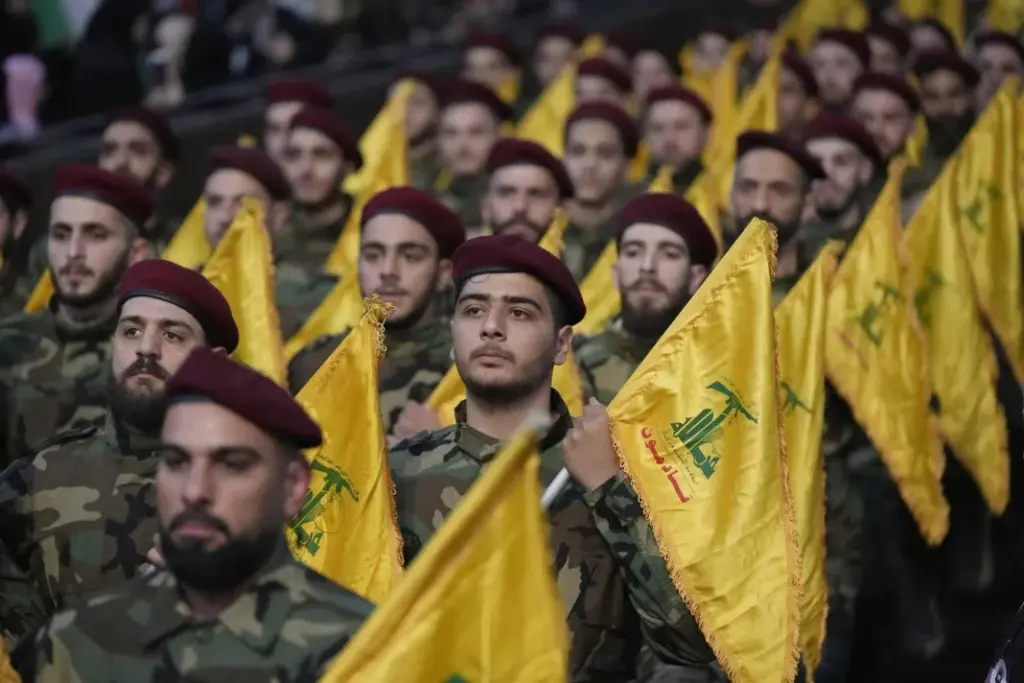
Hezbollah has increasingly utilized fiber-optic drones for precision attacks against Israeli forces, complicating Israel’s military response. This development raises critical questions about the evolving nature of the conflict between Hezbollah and Israel.
In recent months, Hezbollah’s drone operators have targeted Israeli troops stationed in southern Lebanon and northern Israel. The group has received significant backing from Iran, which has reportedly provided funding, training, and advanced weaponry.
Key facts about Hezbollah’s military capabilities:
- Hezbollah was formed during the 1982 Israeli invasion of Lebanon.
- Before the Gaza war, Hezbollah was estimated to possess approximately 150,000 rockets.
- Following the conflict, it is believed that they now retain just 10% of that arsenal.
- The Taif Agreement exempted Hezbollah from disbanding as it was viewed as a resistance force against Israeli occupation.
Hezbollah’s leadership remains defiant. Naim Qassem, the group’s Deputy Secretary General, stated unequivocally, “We will not submit to Israel.” This commitment reflects a broader strategy of asymmetric warfare aimed at countering Israel’s military superiority.
According to Hassan Nasrallah, Hezbollah’s Secretary General, “Hezbollah’s budget, its income, its expenses… come from the Islamic Republic of Iran.” This dependency underscores the strategic alliance between the two entities.
The introduction of drone technology represents a significant shift in Hezbollah’s tactics. Fiber-optic drones can operate effectively within a maximum distance of 15 kilometers, allowing for precise strikes while minimizing exposure to Israeli airstrikes.
The implications for local communities are profound. As tensions escalate and military operations intensify, residents in border areas face increased risks and uncertainties. David Daoud noted that Hezbollah explicitly rejected disarmament after the November 2024 ceasefire took effect, indicating a long-term commitment to its military objectives.
This evolving situation leaves many questions unanswered. How will Israel adapt its strategies in response to these new threats? And what will be the impact on civilians caught in the crossfire?