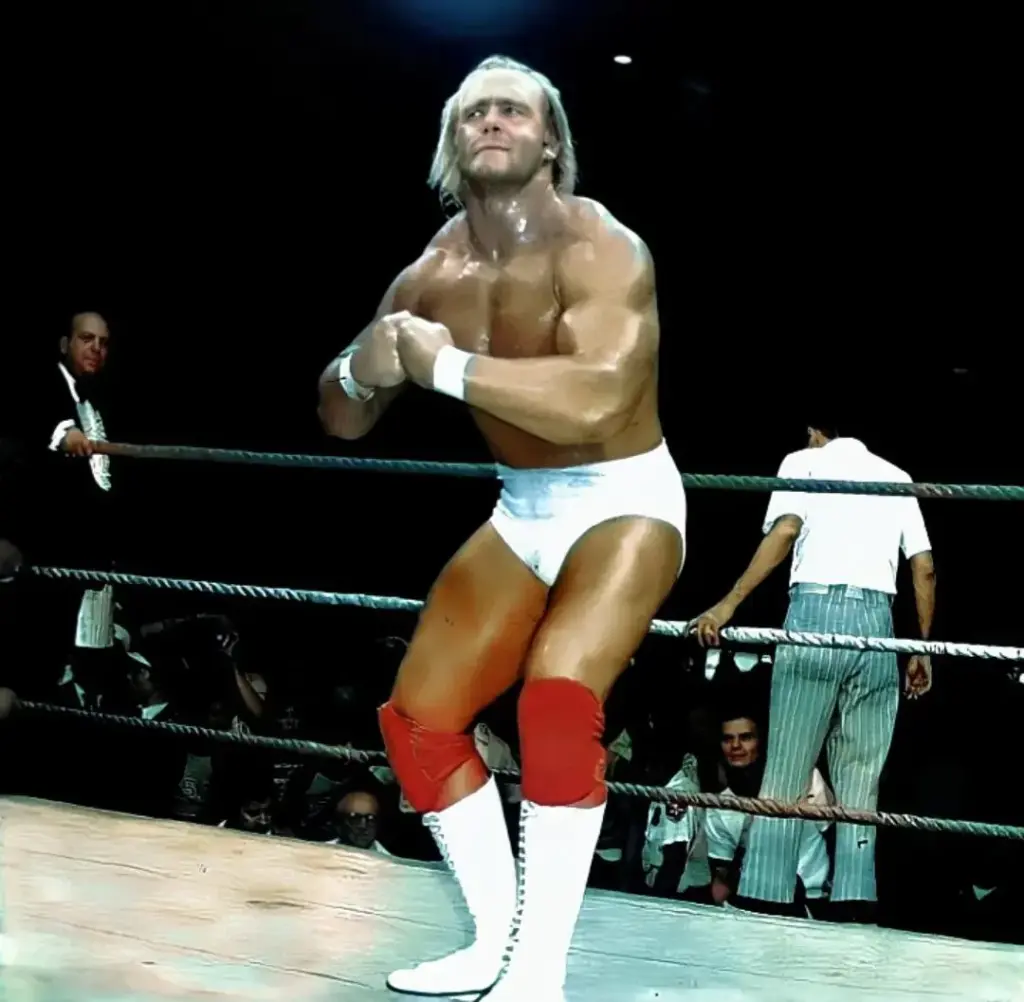
In Clearwater, Florida, Hulk Hogan was more than just a wrestling icon. He was a part of the community fabric. Born Terry Gene Bollea, he became synonymous with professional wrestling, captivating audiences with his charisma and larger-than-life persona. For decades, fans flocked to arenas to witness his matches, often cheering him on as he triumphed over formidable opponents.
But the narrative shifted dramatically leading up to July 24, 2025. Hogan’s health had been declining for years due to various complications. Diagnosed with atrial fibrillation and chronic lymphocytic leukemia, he faced challenges that many in his community could relate to—battling health issues while trying to maintain a semblance of normalcy. His son Nick once shared concerns about his father’s struggles post-neck surgery, hinting at a fragile state that few truly understood.
The decisive moment came when Hogan passed away from a heart attack at the age of 71. The news reverberated through Clearwater like a shockwave. For many locals who grew up watching him on television or attending his matches, this was not just the loss of a celebrity; it was the end of an era. The local diner where fans gathered to reminisce about his glory days suddenly felt emptier.
In the weeks following his death, stories began to emerge about the man behind the persona. Hogan had faced numerous controversies throughout his life—admitting to steroid use and expressing regret over past racist remarks. His legal battle against Gawker over a sex tape initially awarded him $140 million but ultimately settled for $31 million. These details painted a complex picture: he was both an idol and a flawed human being.
Pharmacy staff who treated him noted the staggering amount of fentanyl he consumed—80 milligrams in the morning alone and patches totaling 300 milligrams on his legs. “You should be dead. We have never seen a human being take this much fentanyl,” one staff member remarked. This revelation shocked many in Clearwater; it underscored how addiction can grip even those who seem invincible.
The community mourned collectively, reflecting on Hogan’s influence beyond wrestling. His endorsement of Donald Trump at the Republican National Convention after an assassination attempt in 2024 added another layer to his complicated legacy. For some, it was a reminder that public figures often navigate treacherous waters in their personal lives while maintaining public personas.
As Clearwater grapples with this loss, there’s talk of honoring Hogan’s contributions through local events or memorials—a way for fans and residents alike to celebrate his life while acknowledging the complexities that came with it. And soon enough, Netflix will release “Hulk Hogan: Real American,” a docuseries that promises to delve deeper into both his triumphs and tribulations.
Ultimately, Hulk Hogan was not just Terry Bollea; he embodied hope and resilience for many in Clearwater. He may have stumbled along the way—like admitting he wasn’t the greatest person ever—but he also inspired countless individuals who found solace in his story. His legacy will continue to shape conversations around fame, addiction, and redemption long after he’s gone.