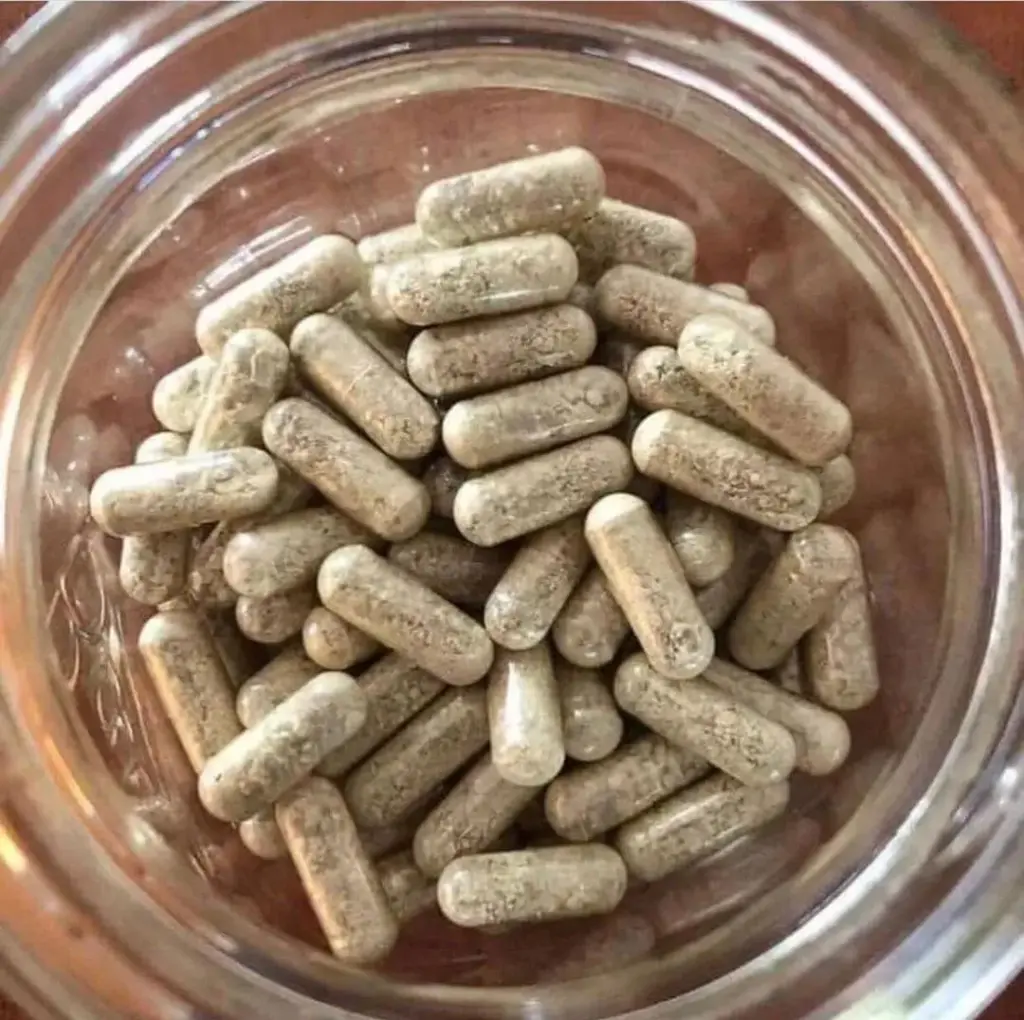
On April 18, 2026, the Oval Office buzzed with anticipation as Donald Trump prepared to sign a landmark executive order. This initiative aimed to speed up the review of psychedelic drugs, including ibogaine—a substance that many believe could revolutionize treatment for mental health issues like PTSD and depression.
As he put pen to paper, Trump quipped, “Can I have some, please?” His lightheartedness contrasted sharply with the serious implications of the moment. Ibogaine, derived from a plant native to West Africa, has been used in other countries to treat various conditions but remains classified as a Schedule I drug in the United States.
The executive order directs the Department of Health and Human Services to allocate at least $50 million for states developing programs focused on psychedelic drugs. Texas has already committed the same amount to study ibogaine specifically. This financial backing is crucial for researchers and advocates who have long pushed for more comprehensive studies into the therapeutic potential of psychedelics.
Yet, the journey toward acceptance hasn’t been without challenges. A report from 2023 highlighted that 27 people have died after taking ibogaine. Concerns about safety have fueled skepticism among some lawmakers and health officials. Still, a small study involving 30 veterans suggested that when combined with intravenous magnesium, ibogaine could safely reduce symptoms of PTSD, anxiety, and depression.
Advocacy groups are hopeful. They argue that psychedelics could provide much-needed relief for individuals suffering from severe mental health issues. Marcus Luttrell, a former Navy SEAL and vocal supporter of ibogaine therapy, stated emphatically, “It absolutely changed my life for the better.” His words resonate deeply in communities where veterans struggle daily with trauma.
The FDA is now poised to facilitate the first human trials of ibogaine in the U.S., marking a significant shift in how these substances are viewed by federal agencies. But questions linger: How will the federal government effectively push forward this research? Details remain unconfirmed.
As this story unfolds, it’s clear that many lives hang in the balance. For those battling addiction or mental health disorders—especially veterans—the potential benefits of ibogaine are profound. As Trump noted during the signing event, “If these turn out to be as good as people are saying, it’s going to have a tremendous impact.” The hope is palpable; communities across America are watching closely as this new chapter begins.