Introduction
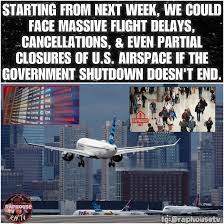
The potential for a government shutdown in the United States has raised serious concerns regarding flight delays and disruptions that could affect travelers across Canada and the US. With the government’s appropriations and operations in limbo, the aviation sector braces for potential chaos as vital security and operational staff could be furloughed or diverted, causing significant knock-on effects across international travel routes.
The State of Flight Operations
In the event of a government shutdown, key entities such as the Transportation Security Administration (TSA) and the Federal Aviation Administration (FAA) may be impacted. The TSA, responsible for airport security screening, might not have adequate staffing levels if funding does not get approved. This could lead to longer security lines, increased wait times, and ultimately delayed flights. The FAA, which oversees air traffic control, may also face staffing shortages that could disrupt air travel and lead to delays across various flight paths.
In recent shutdowns, such as the one that occurred in late 2018 through early 2019, flight delays saw a significant increase, with reports indicating that security lines at major airports experienced wait times that exceeded two hours. During the last major shutdown, the FAA reported up to 12% of air traffic controllers were calling in sick or not reporting to work, leading to widespread flight delays and cancellations.
Current Predictions and Impacts
As discussions continue in Congress, experts suggest travelers should stay informed and prepare for possible disruptions. Organizations such as the American Airlines and other major carriers have already begun formulating emergency plans. Travel officials are advising passengers to expect longer wait times and potential cancellations, especially as the peak travel season approaches in Canada and the US.
Additionally, international travel might see ripple effects as U.S.-bound flights could trigger delays in connecting flights. This could particularly affect Canadian travelers who frequently fly to the US for business or leisure purposes. While airlines work to minimize the impact, the uncertainty created by a government shutdown could lead to delays and rescheduling for many.
Conclusion
As potential government shutdown discussions unfold, travelers across both nations need to stay vigilant about updates affecting flight services. Whether traveling for business or personal reasons, passengers should consider alternative travel plans, remain flexible, and keep a close eye on flight status updates. The significance of this looming shutdown directly impacts travel plans and could exacerbate existing challenges within the aviation industry. The experience from past shutdowns serves as a relevant reminder of the stakes involved and the importance of government operations in maintaining seamless air travel.