Introduction
The public transportation system in Montreal, operated by the Société de transport de Montréal (STM), has been facing significant challenges recently due to a strike by workers. This situation has raised alarms among commuters who rely on the metro and bus services to navigate the city. Understanding the implications of this transport STM grève is essential for Montreal residents and stakeholders, especially as public transport is a critical component of urban mobility.
Current Events Surrounding the Grève
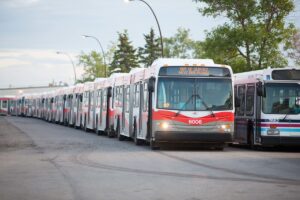
The STM workers’ strike began on October 15, 2023, when a majority of the union voted in favor of industrial action. Workers are demanding better wages, improved working conditions, and more comprehensive benefits. The STM has reported that the strike has severely disrupted services, with many bus lines experiencing delays and metro lines operating on a limited schedule.
As a response to the grève, the STM has implemented contingency plans, including deploying additional staff to facilitate communication with frustrated commuters. Despite these efforts, many people are facing significant delays, leading to increased commute times and impacting their day-to-day activities.
Effects on Commuters
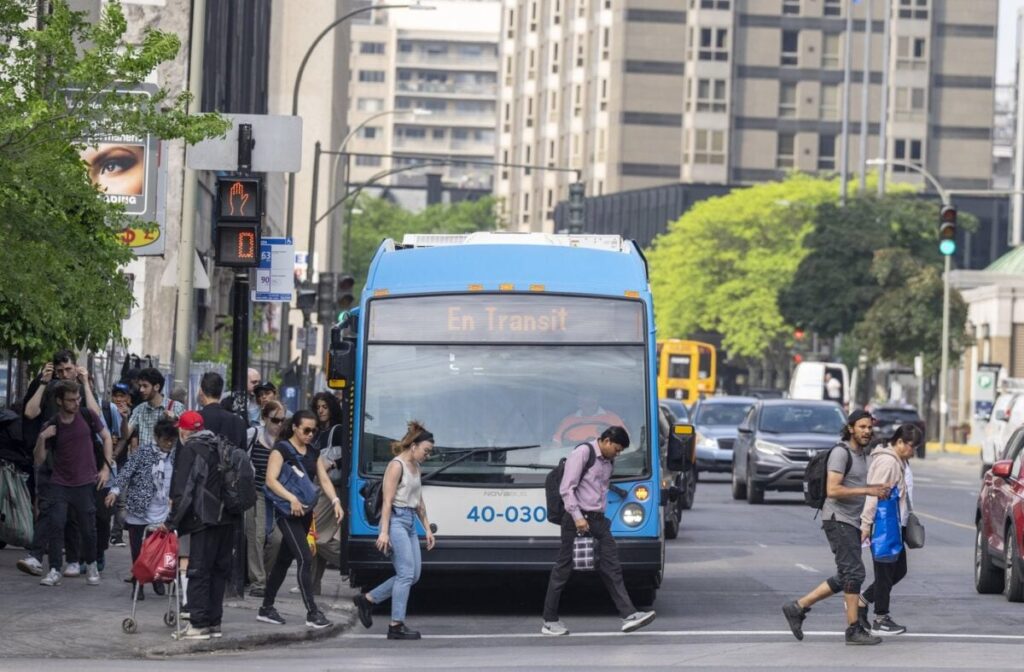
With thousands of residents depending on STM services, the strike has significant ramifications. Many professionals have had to seek alternative transportation methods, such as carpooling, cycling, or utilizing ride-sharing services. Reports indicate a noticeable increase in traffic congestion in downtown areas as a result of commuters transitioning to private transportation.
Local businesses are also feeling the impact, as reduced foot traffic in commercial zones translates into decreased customer interaction. Many establishments have reported concerns over sales losses during peak shopping hours due to the ongoing disruptions in public transport.
Conclusion
The transport STM grève represents more than just a labor dispute; it is an escalation rooted in deeper issues of job satisfaction and fair wages for workers who ensure the efficient operation of the public transport system. As the situation evolves, local authorities and the STM must engage in constructive dialogue to reach a resolution that prioritizes both worker rights and commuter needs.
The upcoming weeks will be pivotal in determining the future of STM services and the potential long-term changes that might arise from this strike. It is crucial for commuters to stay informed and adjust their travel plans accordingly as negotiations continue.