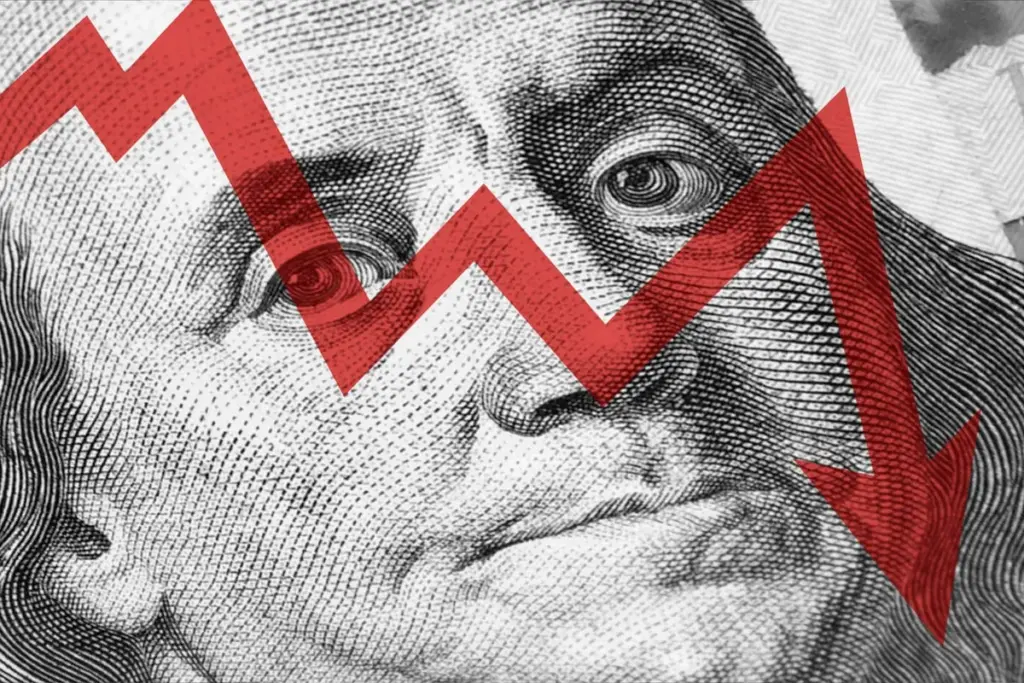
Impact of Current Events on the Stock Market
The stock market is currently under considerable strain, raising concerns about a potential crash. With the CAPE ratio hovering just below 40, its second-highest level in history, analysts are drawing parallels to previous market downturns. This ratio, which measures the price of stocks relative to their earnings, has historically indicated overvaluation, as seen before the Great Depression and the dot-com bubble.
Geopolitical Tensions and Economic Indicators
Recent military operations by U.S. and Israeli forces against Iran have further exacerbated market instability. The conflict has led to a historic surge in oil prices, with West Texas Intermediate crude oil rising from a closing price of $67.02 per barrel to an intra-day peak of $111.24, marking a 66% increase. This spike is particularly concerning as approximately 20% of the daily petroleum liquid used globally passes through the Strait of Hormuz, a critical chokepoint for oil transport.
Market Reactions and Job Losses
The ramifications of these geopolitical events are already being felt in the stock markets. The UK stock market recorded its largest weekly decline in nearly a year due to the ongoing conflict in Iran. Additionally, the U.S. economy unexpectedly lost 92,000 jobs in February, further signaling economic distress. Such job losses can lead to reduced consumer spending, which is a vital component of economic growth.
Historical Context and Future Outlook
History suggests that significant market corrections often follow periods of high valuation, as indicated by the CAPE ratio. The last time this ratio peaked near current levels was in the late 1920s, just before the market crash that precipitated the Great Depression. Analysts are divided on the future; while some advocate for buying the dip, others warn of potential further selling.
Uncertainties Ahead
Details remain unconfirmed regarding the long-term effects of the Iran war on the stock market and the broader economy. If the Strait of Hormuz remains closed, it could lead to a global recession, compounding the existing economic challenges. Furthermore, the long-term impact of artificial intelligence on employment and economic stability is still uncertain, adding another layer of complexity to the market outlook.
The interplay of geopolitical tensions, economic indicators, and historical precedents raises critical questions about the stability of the stock market. As investors navigate these turbulent waters, the question remains: is the stock market going to crash? The coming weeks will be crucial in determining the direction of the markets and the overall economic landscape.