How it unfolded
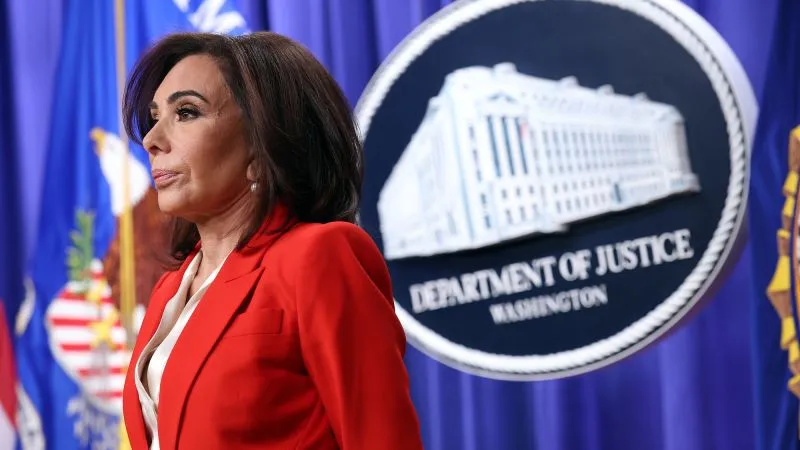
As the sun rose over Washington, DC, on April 6, 2026, the atmosphere was charged with anticipation surrounding the performance of Jeanine Pirro’s office in the realm of criminal justice. This year, the DC US attorney’s office, under Pirro’s leadership, has seen a troubling trend emerge: only half of its first eight criminal trials have resulted in convictions. This stark contrast to the national average conviction rate of about 90% has raised eyebrows and sparked discussions among legal experts and community members alike.
Throughout the year, Pirro’s office has secured 84 guilty federal defendants, but the two acquittals and four trials that ended without convictions, two of which were declared mistrials, have left many questioning the effectiveness of the prosecution. Notably, a grand jury recently refused to indict Sean Dunn, who had thrown a sandwich at a federal immigration officer, highlighting the challenges faced by the office in persuading juries.
In February, the office’s struggles were further underscored when it failed to gain a grand jury’s approval for proposed charges against Democratic Senator Mark Kelly. This incident, coupled with the rapid turnover of experienced prosecutors from Pirro’s office, has contributed to a growing sense of unease regarding the office’s ability to navigate the complex legal landscape.
One particularly notable case involved Jacob Winkler, who was accused of pointing a cat toy laser at the president’s helicopter. The jury reached a unanimous verdict to acquit him in under two hours, raising questions about the jury pool’s trust in the Justice Department. “If a jury feels that we haven’t met our burden, then so be it,” Pirro remarked, acknowledging the challenges her office faces.
The political environment is also playing a significant role in shaping perceptions of the Justice Department. Alexis Gardner, a legal analyst, expressed concerns, stating, “What the government has proven to you is that you don’t get no justice from the Department of Justice.” This sentiment reflects a broader skepticism that has emerged among jurors, impacting their willingness to side with prosecutors.
Looking ahead, the upcoming trials include a hate crime case and a bribery trial against DC City Councilmember Trayon White, which will be critical for Pirro’s office to regain credibility. The stakes are high, as the outcomes of these trials could either reinforce or further undermine public confidence in the Justice Department.
Amidst these challenges, Pirro remains resolute. “Those are guilty pleas because the defendants know that we’re going to convict them at trial,” she stated, emphasizing her office’s commitment to pursuing justice despite the hurdles. However, the erosion of the Justice Department’s credibility continues to loom large, affecting the dynamics of the courtroom.
As the community watches closely, the implications of these developments extend beyond the courtroom. They resonate with the public’s perception of justice and accountability in the face of political pressures. The outcome of Pirro’s office’s efforts will undoubtedly shape the narrative of justice in Washington, DC, for years to come.