Introduction to John Rustad
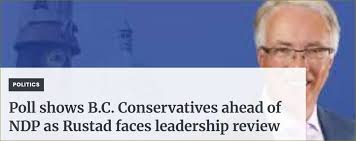
John Rustad, a prominent figure in British Columbia politics, has recently made headlines due to significant shifts within the provincial government. As a former minister and long-serving member of the Legislative Assembly (MLA), Rustad’s role and future path in BC politics are becoming ever more relevant. His current circumstances exemplify the ongoing changes in political dynamics within the region, particularly in the context of policy directions and party alignment.
Background and Recent Developments
John Rustad has served as the MLA for Nechako Lakes since 2005 and is known for his advocacy on issues such as agriculture, forestry, and rural economic development. Recently, Rustad’s political journey took a turn when he transitioned from the BC Liberals to join the BC United Party, a move that has stirred discussions among political analysts and constituents alike. This shift is not merely a personal choice but reflects broader trends within the political landscape of British Columbia, showcasing how party affiliations are evolving.
On October 10, 2023, Rustad spoke at a press conference, emphasizing the need for unity and collaboration among like-minded political parties to uphold values important to rural communities. He pointed to the government’s approach to natural resource management as a key area of concern, arguing that current policies are not adequately addressing the needs of those living outside urban centers.
Implications of Rustad’s Transition
Rustad’s alignment with the BC United Party comes at a pivotal time in BC’s political scene, where traditional party boundaries are becoming less distinct and voter preferences are shifting. His expertise and experience are expected to bolster the party’s focus on rural issues and attract support from constituents who may feel underserved by existing policies.
Moreover, this change could lead to strategic advantages as the BC United Party positions itself against the governing New Democratic Party (NDP) ahead of the next election cycle. Analysts predict that Rustad’s insights into rural affairs could resonate well with voters, potentially reshaping the political conversation in the province.
Conclusion: Looking Ahead
As John Rustad navigates his new role with the BC United Party, his future actions and policies will be closely monitored. Political experts suggest that his commitment to rural issues and experienced leadership might play a crucial role in the party’s success in the upcoming elections. For voters in British Columbia, Rustad’s involvement in politics not only represents continuity in established values but also signals potential for new policies that could better serve the community’s interests. The next chapters in his political journey will be pivotal not only for himself but for the broader political landscape in the province.