Introduction
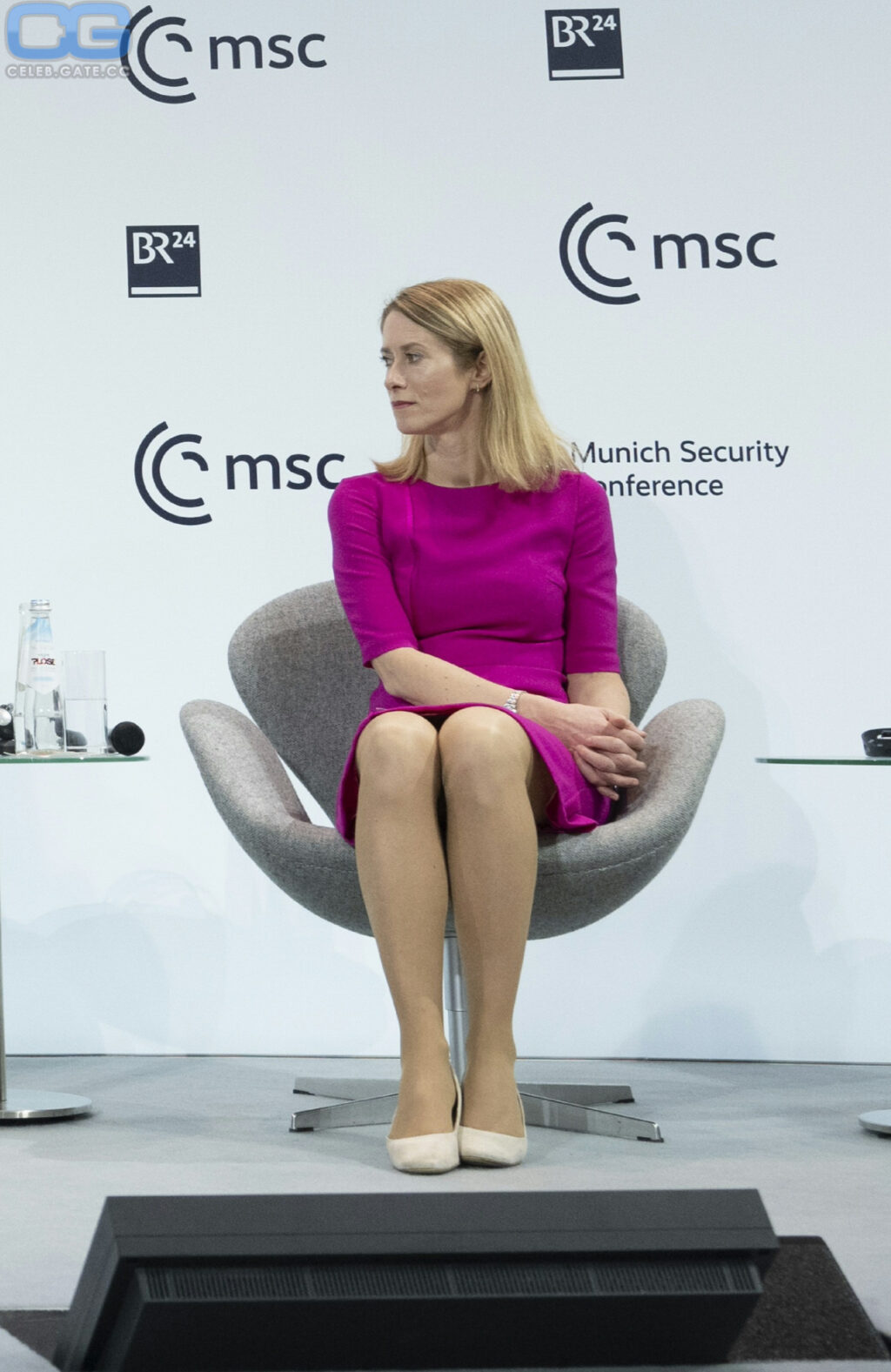
Kaja Kallas has emerged as a significant figure in European politics, serving as the Prime Minister of Estonia since January 2021. Her leadership comes at a crucial time for Estonia, balancing rapid technological advancement, economic challenges, and geopolitical tensions. As Estonia navigates its role within the European Union and NATO, Kallas’s policies and leadership will have far-reaching implications, not just for her country, but for the region as a whole.
Political Career and Achievements
A member of the Reform Party, Kaja Kallas was first elected to the Riigikogu (the Estonian Parliament) in 2019. Before becoming Prime Minister, she held various positions, including serving as the Minister of Economic Affairs and Infrastructure. Kallas has been a vocal advocate for digital transformation, championing innovations in e-governance and cybersecurity, key areas in which Estonia has become a global leader.
Under her stewardship, the Kallas government has focused on maintaining economic stability during the COVID-19 pandemic while pushing for environmental reforms. Her administration has emphasized green energy initiatives, aiming to reduce carbon emissions and promote sustainability in Estonia.
Foreign Policy and International Relations
Kaja Kallas has also navigated a challenging international landscape, especially given Estonia’s proximity to Russia and ongoing tensions in Eastern Europe. Her government has actively supported Ukraine against Russian aggression, reinforcing Estonia’s commitment to NATO and strengthening military cooperation with allies. Kallas has been vocal at various international forums, advocating for a united European stance against authoritarian regimes.
Challenges Ahead
As she continues her tenure, Kaja Kallas faces several domestic challenges, including managing a polarized political environment and addressing issues related to social equity and integration within Estonia’s diverse population. Analysts suggest that the success of her leadership may hinge on her ability to unify different factions within the Estonian society while continuing to bolster the country’s international standing.
Conclusion
Kaja Kallas represents a new generation of leadership in Estonia—a tech-savvy leader in a rapidly changing world. As Estonia continues to navigate through complex political landscapes, Kallas’s policies and actions will likely shape the future of the nation. Observers will be closely watching how she balances domestic priorities with international obligations as her term progresses, marking her legacy as a critical factor in Estonia’s growth and resilience on the European stage.