Introduction
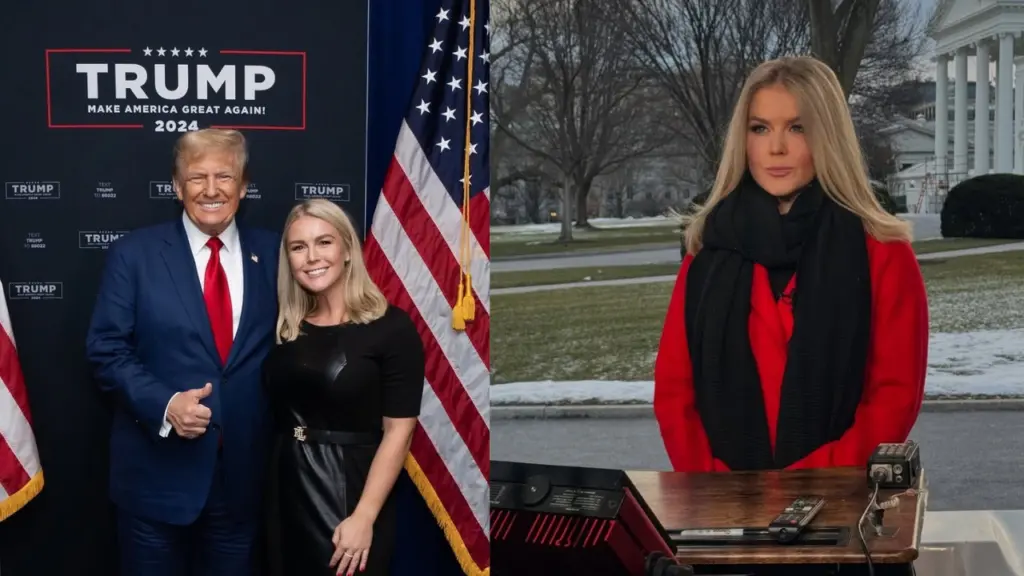
Karoline Leavitt, a young and dynamic political figure in New Hampshire, has been making headlines as she pursues her ambitions in the political arena. With a fresh perspective and a commitment to serve her community, Leavitt’s rise to prominence reflects a growing trend of younger candidates reshaping the political landscape in the United States.
Background
Born in 1998, Leavitt graduated from the University of New Hampshire and quickly entered the political realm by working for Congressman Chris Pappas and serving as a press secretary in the Trump administration. Her work has equipped her with both the experience and the insight necessary to launch a successful campaign in the competitive political landscape.
Current Events
In the 2022 elections, Leavitt ran as a Republican candidate for New Hampshire’s 1st Congressional District. Despite a challenging race against incumbent Democratic Congressman Chris Pappas, she managed to garner a significant amount of support, highlighting her ability to connect with constituents. According to recent polls, Leavitt has gained traction among voters, drawing attention to key issues such as the economy, education, and healthcare.
Leavitt’s Platform
Leavitt’s campaign focuses on conservative values, advocating for lower taxes and limited government intervention. She emphasizes the importance of addressing inflation and supporting small businesses, which resonate with many voters in her district. Leavitt is particularly vocal about her commitment to parental rights in education, a topic that has gained considerable momentum in recent political discussions.
The Significance of Her Candidacy
As a woman entering a predominantly male-dominated field, Leavitt’s candidacy is significant for promoting diversity and representation in politics. Her ability to engage younger voters is also noteworthy, as she champions issues that matter most to them, including climate change and social justice. Leavitt’s active presence on social media platforms allows her to connect with constituents more personally, fostering a sense of community and involvement.
Conclusion
Karoline Leavitt’s rising profile in New Hampshire politics signals a shift towards a new generation of leaders who prioritize community-driven policies and inclusive governance. As her campaign progresses, analysts believe she will continue to influence discussions around policy and set an example for future female candidates. With elections on the horizon, Leavitt’s impact on both her party and her constituents will be closely watched, marking a potentially transformative period for New Hampshire’s political landscape.