Introduction
The interest rates set by Canada’s central bank, the Bank of Canada (BoC), play a crucial role in determining the health and direction of the country’s economy. As the BoC adjusts these rates in response to various economic indicators, understanding their implications becomes increasingly important for businesses, consumers, and investors. Recently, the BoC has made significant moves that have sparked discussions about inflation, growth, and borrowing costs.
Recent Changes and Context
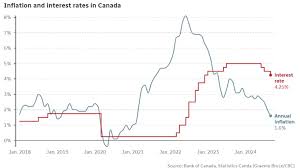
On September 6, 2023, the Bank of Canada announced that it would maintain the overnight rate at 5.00%, a level not seen in over two decades. This decision comes in the wake of a series of rate hikes initiated in March 2022, aimed primarily at combating the persistently high inflation rates which peaked at 8.1% in June 2022. As of August 2023, inflation has moderated to approximately 3.4%, prompting the BoC to reassess its approach toward rate adjustments.
Governor Tiff Macklem highlighted the need for careful monitoring of economic indicators, emphasizing that even maintaining the current rate might not be enough to meet inflation targets. The rationale behind keeping rates steady is to allow the economy time to adjust while preventing potential drifts toward recession.
Impact on the Economy
The decision to hold interest rates steady has consequences for various sectors of the economy. Borrowing costs for mortgages and business loans remain high, which continues to affect housing markets and consumer spending. Canadian households, facing increased debt servicing costs, may choose to cut back on discretionary spending, ultimately slowing economic growth.
However, with inflation pressures easing, there are predictions from some economists that the BoC may start to cut rates as early as 2024 if the economic climate permits. This could lead to increased consumer borrowing, a potential housing market recovery, and a boost in overall economic activity.
Conclusion
In conclusion, the Bank of Canada’s interest rate decisions are pivotal to economic stability and growth. As the central bank navigates the balance of containing inflation while fostering economic recovery, Canadians must stay informed. Ongoing developments in interest rates will directly impact financial planning and investment strategies for individuals and businesses alike. Stakeholders should watch for signals from the Bank of Canada, as shifts in policy could alter the Canadian economic landscape significantly.