Introduction
Lyme disease is a significant and growing public health concern in Canada, especially in regions where black-legged ticks, the primary vectors of the disease, are prevalent. As tick populations expand and climate conditions change, awareness of this illness becomes crucial for prevention and effective management. Understanding Lyme disease, its symptoms, and its treatment options is essential for Canadians, particularly those who spend time outdoors in wooded or grassy areas.
What is Lyme Disease?
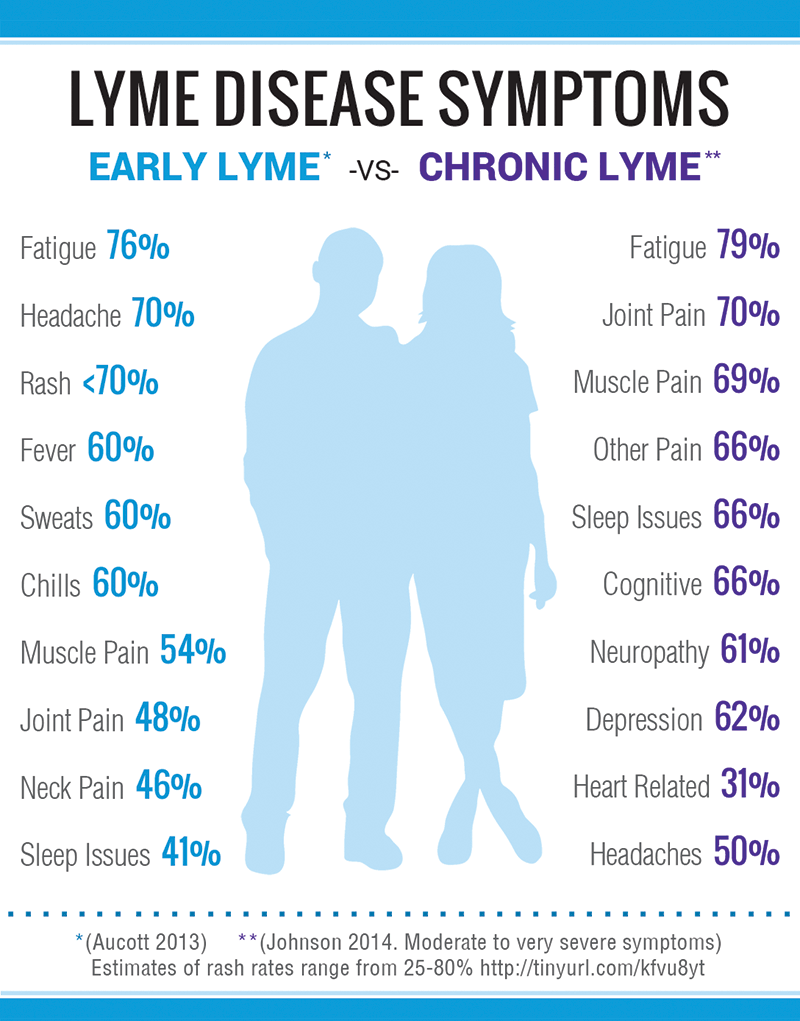
Lyme disease is an infectious illness caused by the Borrelia burgdorferi bacteria, primarily transmitted to humans through the bite of infected black-legged ticks, commonly known as deer ticks. Early diagnosis and treatment are critical to preventing serious complications. Symptoms typically start with a characteristic skin rash known as erythema migrans, appearing 3 to 30 days post-bite and resembling a “bull’s-eye.” Other early symptoms include fever, chills, headache, fatigue, muscle and joint aches.
Recent Trends and Cases
In recent years, there has been a noticeable increase in the number of reported Lyme disease cases across Canada. According to a report published by the Public Health Agency of Canada (PHAC), the number of confirmed Lyme disease cases has risen significantly, with over 1,500 cases documented in 2021 alone. This rise correlates with expanding tick populations and favorable environmental conditions for tick survival and reproduction.
Experts attribute this growth to several factors, including warmer temperatures, changing land use patterns, and the movement of wildlife hosts that carry ticks. Regions previously considered low risk for Lyme disease are now witnessing increased tick activity, particularly in parts of Ontario, Quebec, and the Maritime Provinces.
Prevention and Awareness
With the increase in incidents, public health officials emphasize the importance of prevention. Here are some recommended strategies:
- Wear long sleeves, long pants, and light-colored clothing when hiking in tick-infested areas.
- Use insect repellent containing DEET on exposed skin and permethrin on clothing.
- Perform tick checks on yourself, children, and pets after spending time outdoors.
- Remove any ticks promptly and safely using fine-tipped tweezers to reduce the risk of transmission.
Conclusion
As Lyme disease continues to pose a rising threat to Canadians, awareness and education surrounding this illness are paramount. Public health strategies aimed at prevention, early detection, and treatment will play a crucial role in managing the impact of Lyme disease. With ongoing climate changes and changes in wildlife patterns, continued vigilance is necessary to safeguard individuals and communities from this potentially serious disease.