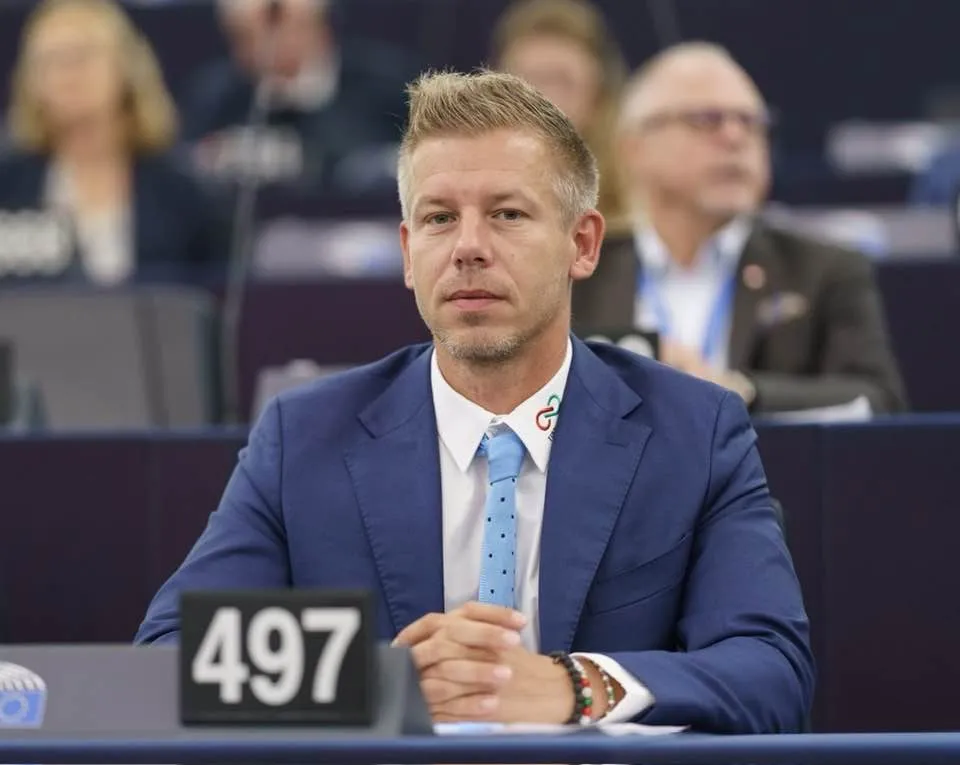
“Magyar accused Orbán’s government of systemic corruption and operating in the interests of a small circle of political and economic elites,” stated Péter Magyar, the newly elected leader of the opposition Tisza party, reflecting on the monumental shift in Hungary’s political landscape.
On April 10, 2026, Magyar’s victory marked the end of Viktor Orbán’s 16-year reign, a significant moment that has energized a broad segment of Hungarian society. This change comes after Magyar’s political rise, which began in early 2024, when he broke away from Orbán’s Fidesz party amidst a scandal that highlighted issues of corruption and governance.
Born in 1981, Magyar joined Fidesz in 2002, spending most of his professional life within the political world built by Orbán. However, the pardon scandal in 2024 served as a catalyst for his departure from Fidesz, leading him to establish the Tisza party, which was registered in 2020. Magyar’s first interview after this split was on the YouTube channel Partizán, where he articulated his vision for a more transparent and accountable government.
In the European Parliament elections of June 2024, Tisza party garnered 30% of the vote, attracting approximately 1.3 million voters. This momentum was further demonstrated during a rally on March 15, 2024, where 50,000 supporters gathered to hear Magyar speak. The National March on April 6, 2024, drew an impressive crowd of 100,000, showcasing the growing support for his leadership.
“It was a ‘painful’ election result,” Orbán remarked after conceding defeat, a stark contrast to the confidence he had exuded during his long tenure. Magyar’s rise has not been without its challenges; he has faced criticism for his combative style and conservative views. Yet, his ability to connect with the electorate has proven to be a powerful asset.
Magyar has three children and has navigated personal challenges, including a divorce from Judit Varga in 2023. He has expressed a need for an “insurance policy in case I come into conflict with Orbán’s regime,” indicating the complexities of his new role as a leader of the opposition.
As Hungary transitions into this new political era, the implications of Magyar’s leadership remain to be seen. His commitment to addressing systemic issues within the government resonates with many citizens who have long felt marginalized by the political elite. Details remain unconfirmed regarding the specific policies he will pursue, but the community is eager to see how this new chapter unfolds.