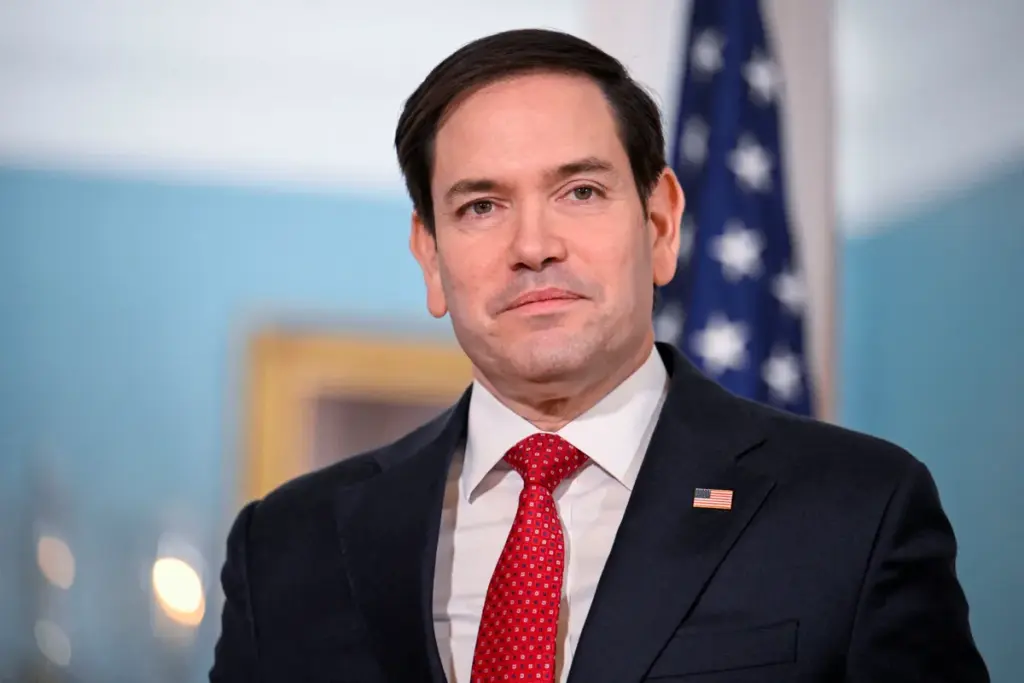
Introduction: The Significance of Marco Rubio
Marco Rubio, Senator of Florida, is a prominent figure in U.S. politics, known for his conservative views and influence on key legislative matters. His position in the Senate has placed him at the forefront of significant national discussions, particularly regarding immigration, foreign policy, and economic growth. As we approach the upcoming election cycle, understanding his recent initiatives and their impacts is crucial for voters and stakeholders alike.
Recent Legislative Initiatives
In 2023, Senator Rubio has focused on a range of issues that resonate with his constituents and the broader American public. One of the most pressing initiatives has been addressing the ongoing immigration crisis. In response to the heightened number of migrants at the southern border, Rubio has championed policies aimed at enhancing border security while also advocating for pathways to legal status for undocumented immigrants who have lived in the U.S. for an extended period.
Another significant initiative is his introduction of the ‘Rebuilding American Infrastructure Act’, which proposes to allocate funds toward modernizing transportation and communication systems within Florida, aiming to improve safety and efficiency. In light of recent natural disasters, this initiative also emphasizes resilient infrastructure to withstand future challenges.
Foreign Policy Focus
Rubio has also been heavily involved in foreign policy, particularly regarding U.S.-Cuba relations and the stability of Latin America. Most recently, he criticized the Biden administration’s approach and called for stronger sanctions against the Cuban government in response to human rights violations. His firm stance aims to pressure the regime while supporting the Cuban people.
Impact on Florida and the Nation
The implications of Rubio’s actions are significant. His focus on immigration policy and infrastructure is set to create job opportunities, address public safety concerns, and bolster the economy of Florida. Furthermore, by positioning himself as a strong advocate for human rights in Latin America, he is attempting to align Florida’s demographic diversity with his legislative agenda.
Conclusion: The Path Forward
As Marco Rubio continues to shape his legislative priorities in the Senate, his actions will likely play a critical role in upcoming elections and influence the Republican agenda nationally. Florida voters will need to evaluate how these initiatives fit within their needs and aspirations for the state and the country as a whole. Observing Rubio’s ability to balance local and national interests will be key for his future political prospects.