As the sun rose on March 22, 2026, France was poised for a crucial day in its political calendar. The municipal elections were set to determine the leadership of over 1,500 communes across the nation, a significant event that many viewed as a precursor to the upcoming 2027 presidential race.
In the heart of Paris, Emmanuel Grégoire emerged victorious, securing 53.1% of the vote. His win reflects a strong endorsement from the capital’s voters, who are looking for stability amid changing political tides. Meanwhile, in Lyon, Grégory Doucet was re-elected with the same percentage, indicating a solidified support base in the city.
Marseille saw a notable shift as Benoît Payan claimed victory with 54.6% of the votes. Local sentiments were mixed, with one voter expressing dissatisfaction, stating, “I want change. Marseille has gone downhill since this mayor has been in office.” This highlights the ongoing debates surrounding local governance and the expectations of residents.
In Nice, Eric Ciotti led with 47.7% of the vote, while the National Rally faced challenges, falling short in Toulon and Nîmes despite strong performances. Political expert Anne Muxel noted, “It’s true that these 2026 municipal elections do not mark a landslide for the National Rally – far from that.” This suggests a complex landscape for the party, which has been known for its anti-immigration and eurosceptic stance.
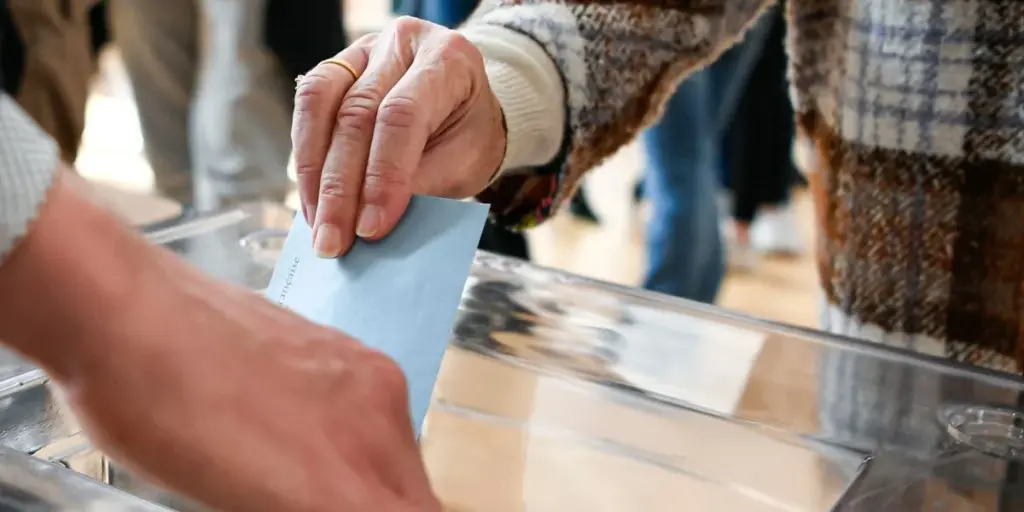
Turnout for the elections was estimated at around 57%, with 43% abstaining, a factor that political analysts like Loïc Février believe can significantly influence outcomes. “When things are a bit tense between two candidates, it’s abstention that can make the difference,” he remarked, emphasizing the importance of voter engagement.
In addition to these key victories, the Socialists managed to hold onto Rennes, while former Prime Minister Edouard Philippe was re-elected in Le Havre. The right also claimed victories in Clermont-Ferrand and Brest, showcasing a diverse political landscape across the country.
As the dust settles from these elections, the implications for local governance and the broader political arena are becoming clearer. Mayors and municipal councilors are elected for six years, and the outcomes of these elections will undoubtedly shape the strategies of parties as they prepare for the presidential race.
The results from the municipal elections in France 2026 are not just numbers; they reflect the voices and concerns of citizens across the nation. With a mix of continuity and change, the future of local governance in France is set to evolve in the coming years, making these elections a pivotal moment in the country’s political journey.