Reaction from the field
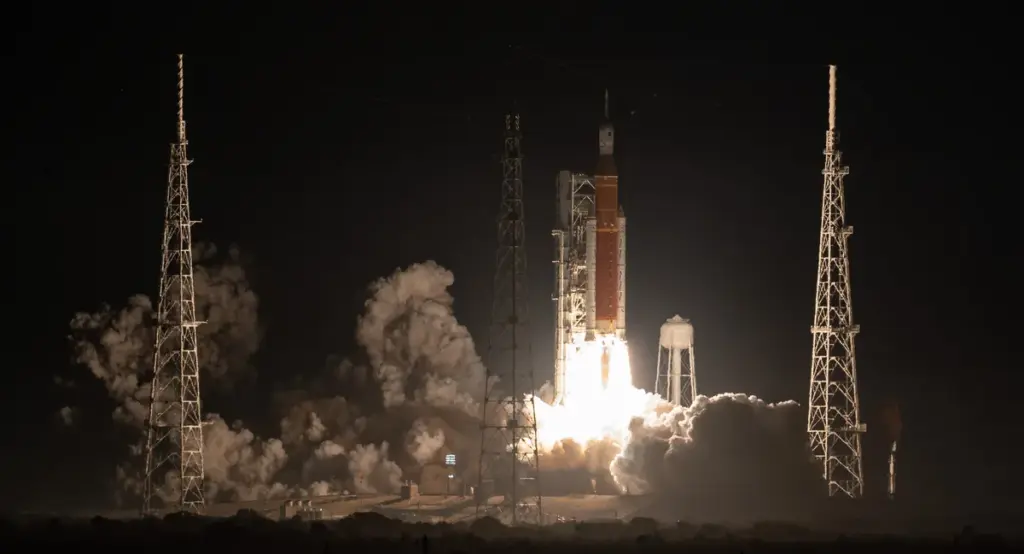
The upcoming NASA Artemis II mission, scheduled for launch on April 1, 2026, from Cape Canaveral, represents a monumental leap in human space exploration. This crewed test flight around the Moon is not just a return to lunar exploration; it aims to lay the groundwork for a sustainable human presence on the Moon, marking a pivotal moment in our quest to explore beyond low Earth orbit.
Using the powerful Space Launch System (SLS) heavy lift rocket, Artemis II will send the Orion spacecraft on a 10-day mission, during which it will orbit the Moon. This mission will take astronauts further than they have ever been before, traveling over 400,000 kilometers from Earth. As Scott Pace noted, “We’re about to send humans in orbit around the Moon again,” highlighting the excitement and significance of this endeavor.
Among the four astronauts participating in this historic mission is Canadian Space Agency astronaut Jeremy Hansen. The mission will take them on a journey that includes a flyby of the Moon’s far side, an area that has never been seen by human eyes. This exploration is not merely about reaching new frontiers; it is about establishing a lasting human presence on the Moon. Jared Isaacman aptly stated, “This time the goal is not flags and footprints. This time the goal is to stay.”
The Orion spacecraft is designed to withstand the extreme conditions of space travel. Upon re-entry, it will face speeds of 32,187 km/h and temperatures soaring up to 2,200°C. This rigorous testing is crucial for ensuring the safety and reliability of future missions. As Scott Pace remarked, “The heat shield has had a long and complicated history,” underscoring the challenges faced in developing technology that can endure such harsh conditions.
NASA’s Artemis II mission is a key component of a broader strategy for lunar exploration, with plans to conduct at least one Moon landing per year starting in 2028. Additionally, the agency aims to have a Moon base under construction by 2030, further solidifying its commitment to long-term exploration and development on the lunar surface.
As the launch date approaches, anticipation builds within the space community and beyond. The mission not only represents a significant technical achievement but also a collaborative effort, with international partnerships playing a vital role in its success. The involvement of organizations like the Canadian Space Agency exemplifies the global interest in lunar exploration.
While the excitement surrounding Artemis II is palpable, details remain unconfirmed regarding the final crew selection and specific mission parameters. However, the focus remains clear: to push the boundaries of human exploration and inspire future generations to look toward the stars.