What Happened
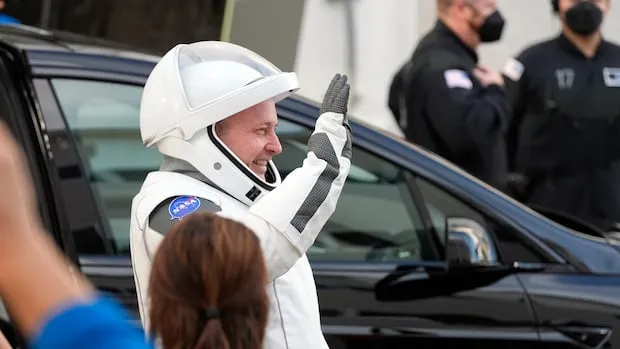
NASA astronaut Mike Fincke, 58, has publicly identified himself as the crew member who experienced a medical issue aboard the International Space Station (ISS) on January 7, prompting NASA’s first-ever medical evacuation in its 65-year history of human spaceflight. Fincke was part of the SpaceX Crew-11 mission, which included NASA astronaut Zena Cardman, Japanese astronaut Kimiya Yui, and Russian cosmonaut Oleg Platonov.
In a statement released by NASA, Fincke described the incident as a medical event that required immediate attention from his crewmates. Following the event, NASA decided to cut the mission short to allow Fincke to receive advanced medical diagnostics and treatment on Earth, resulting in their return on January 15, 2026.
Why It Matters
This incident marks a significant moment in space exploration, as it is the first time NASA has had to terminate an ISS mission due to health concerns. Although officials initially described the situation as stable, the decision to evacuate was made to ensure Fincke received medical care that could not be provided in space. The ISS is equipped with medical supplies, but lacks the comprehensive facilities of a typical emergency room.
Fincke expressed gratitude towards his fellow crew members and the medical professionals involved, highlighting the importance of teamwork and preparedness in such critical situations. The incident underscores the challenges of long-duration space missions and the need for robust medical protocols.
What’s Next
Following the evacuation, NASA has paused spacewalks and reduced research activities aboard the ISS until a new crew can be launched. Fincke is currently undergoing post-flight reconditioning and has reported that he is doing well, although he has not disclosed specific details about his medical condition. The agency continues to monitor the situation and will implement any necessary changes to ensure the safety and health of astronauts on future missions.