Reaction from the field
The ambitious plans for a NASA Moon base are set to revolutionize lunar exploration, with a projected investment of $30 billion over the next decade. This significant financial commitment underscores the urgency and importance of establishing a human presence on the Moon, which is expected to begin with the first crewed landing under the Artemis program in 2026. As Carlos Garcia-Galan, a key figure in the project, stated, “Every asset, every kilogram, all the lunar exploration resources that we have are going to be focused on one thing, and that is to build the Moon base.”
The project will unfold in three distinct phases. Phase 1, running from 2026 to 2028, aims to achieve reliable access to the lunar surface. This phase includes NASA’s Artemis 2 mission, scheduled for April 1, 2026, which will test systems for future crewed missions. Following this, Phase 2 (2029-2032) will focus on establishing essential infrastructure, including power and communication systems necessary for sustaining human life on the Moon.
By 2028, NASA plans to conduct 25 launches and 21 landings, delivering approximately 4,000 kilograms of equipment and supplies to the lunar surface. This logistical effort is crucial for laying the groundwork for the Moon base, which will ultimately support long-duration human missions. In Phase 3 (2033-2036), the goal is to transition to a permanent base, capable of supporting continuous human presence similar to that of the International Space Station.
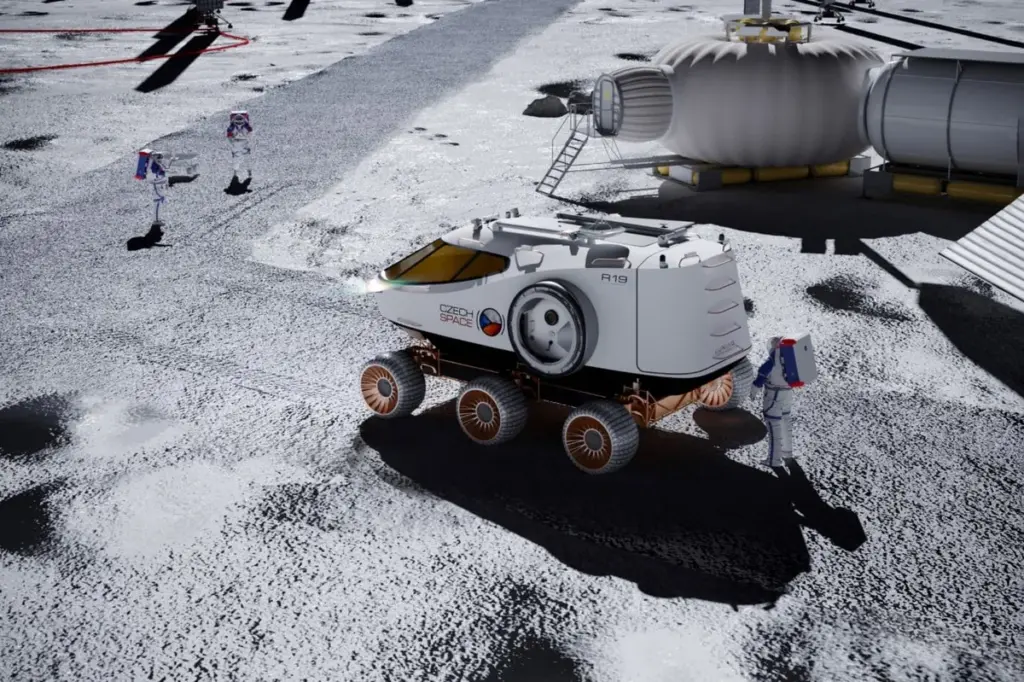
NASA’s strategy also includes innovative technologies such as lunar drones and rovers for exploration and site preparation. These advancements will not only facilitate the construction of the Moon base but will also enhance our understanding of lunar resources. As Jared Isaacman noted, “It should not really surprise anyone that we are pausing Gateway in its current form and focusing on infrastructure that supports sustained operations on the lunar surface.”
The involvement of private sector companies like SpaceX and Blue Origin is expected to play a vital role in this endeavor, with NASA planning to recruit temporary employees from these firms to support the Moon base project. This collaboration highlights the growing partnership between government agencies and private enterprises in the pursuit of space exploration.
As the project progresses, NASA aims to achieve a continued human presence on the Moon by 2032. This ambitious timeline reflects the agency’s commitment to not only explore but to establish a foothold on our celestial neighbor. However, challenges remain, and as Jared Isaacman stated, “We are not going to sit idly by when schedules slip or budgets are exceeded.”
While the plans are set in motion, details remain unconfirmed regarding specific timelines and the full scope of the infrastructure to be developed. As the world watches, the next few years will be critical in determining the success of NASA’s Moon base initiative, paving the way for future exploration and possibly even habitation on the Moon.