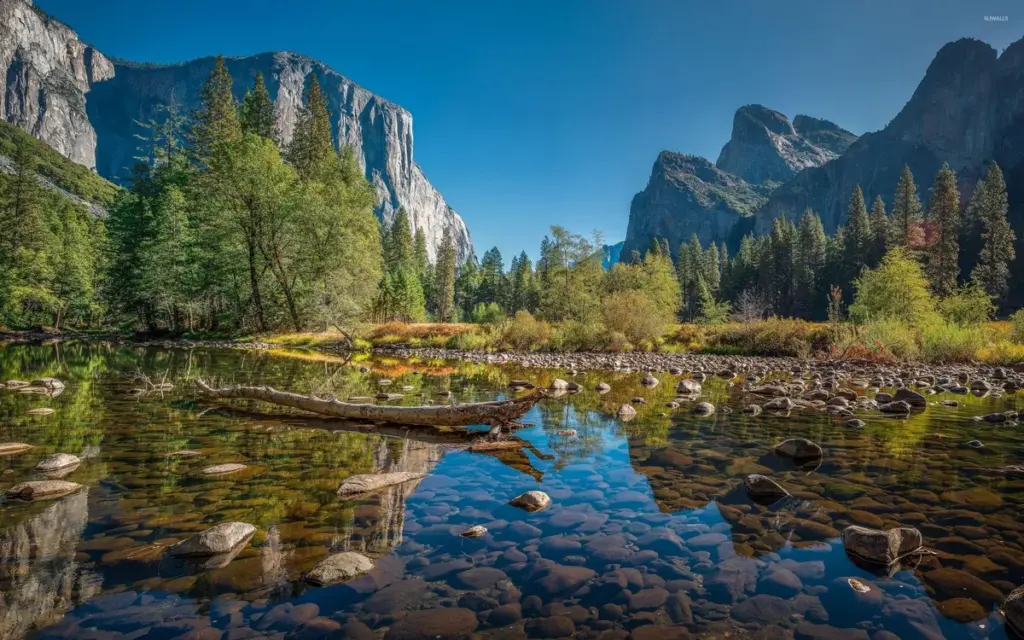
What does the record number of visitors to Banff National Park in 2023/24 signify for the future of national parks? It highlights a growing appreciation for natural spaces and the importance of sustainable tourism.
Banff National Park welcomed an astounding 4.28 million visits in the 2023/24 season, making it the busiest year on record. This surge in attendance reflects a broader trend seen across North America, where national parks are becoming increasingly popular destinations for both local and international visitors.
In comparison, Yellowstone National Park recorded 4,744,353 visits in 2024, showcasing its status as the world’s first national park and a beloved site for nature enthusiasts. Yellowstone is renowned for its geothermal features, containing about half of the world’s active geysers, and continues to attract millions each year.
The rise in visitors to these iconic parks can be attributed to a variety of factors, including increased awareness of outdoor recreation and the unique experiences these parks offer. Banff, as Canada’s first national park and part of the UNESCO World Heritage Site of the Canadian Rocky Mountain Parks, draws visitors with its stunning landscapes and rich biodiversity.
Moreover, Parks Canada emphasizes that using the shuttle service is the best way to visit popular spots like Lake Louise and Moraine Lake, which require advance reservations. Notably, Moraine Lake is closed to personal vehicles year-round, ensuring a more serene experience for visitors.
Yellowstone’s Fishing Bridge RV Park, with 310 campsites equipped with electricity, water, and sewer hookups, is the most extensive in the U.S. National Park Service system. In 2025, Yellowstone hosted 37,261 overnight RV campers, while the Great Smoky Mountains led the way with 141,354 overnight RV guests.
The history of Banff dates back to the 1883 discovery of the Cave and Basin thermal springs, which Indigenous Peoples had utilized for thousands of years prior. This pivotal moment sparked the chain of events that led to the park’s establishment, emphasizing the deep cultural connections to these natural spaces.
As national parks continue to see increased visitation, the challenge remains to balance tourism with conservation efforts. The popularity of these parks is undeniable, yet it raises questions about sustainability and the preservation of their natural beauty for future generations.
Details remain unconfirmed about how park management will adapt to this influx of visitors, but the community remains hopeful that measures will be taken to protect these treasured landscapes while still welcoming nature lovers from around the world.