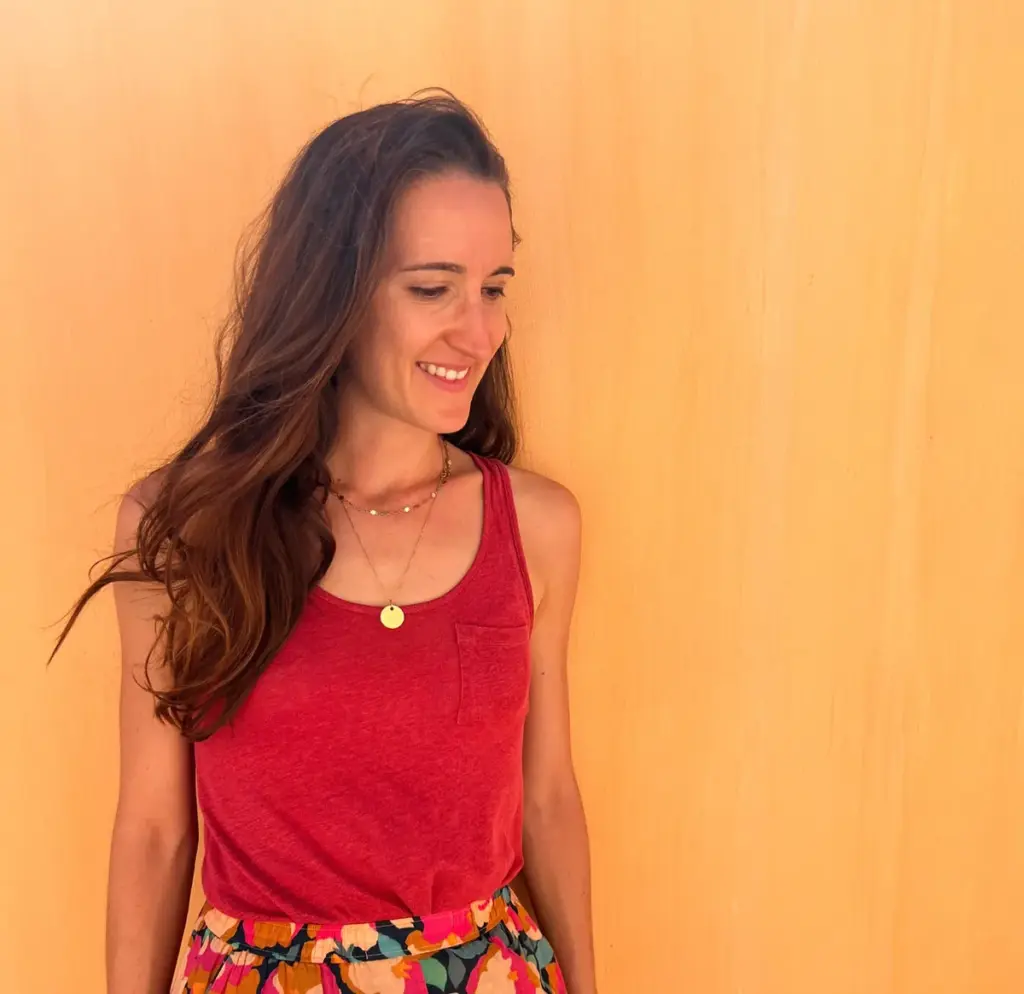
Kadeja Lefebvre, a naturopath in Quebec, was recently fined $15,000 for illegally practicing medicine. This ruling follows the tragic suicide of her patient, Amélie Champagne, who was just 22 years old and believed she had Lyme disease. Champagne struggled with severe depression linked to her illness and sought help from Lefebvre.
Lefebvre diagnosed Champagne with Lyme disease— a diagnosis only licensed physicians can make. Despite warnings from the Collège des médecins to cease her unauthorized practices, Lefebvre continued to prescribe treatments without a medical license. She admitted to diagnosing illnesses and creating treatment plans that included specific diets and natural products.
The circumstances surrounding Champagne’s death prompted a public inquiry that led to 19 recommendations aimed at improving healthcare regulation and patient safety in Quebec. The inquiry highlighted the risks associated with unregulated alternative medicine practices like those employed by Lefebvre.
The Collège des médecins stated, “La pratique illégale de la médecine pose des risques pour la population,” emphasizing the dangers of unlicensed practitioners. Naturopathy has been described by Margot Brunet as a practice that emerged in the early 20th century, aiming to promote wellness solely through natural remedies.
Dino Halikas, a representative from the Collège des médecins, expressed hope for better regulation: “On ne demande pas mieux que d’être encadrés et balisés.” This sentiment echoes throughout the community as many advocate for stricter guidelines to protect patients seeking alternative treatments.
As discussions continue around healthcare reform in light of this case, observers are keenly watching how authorities will implement the recommendations made by the inquiry. The next steps may redefine how alternative medicine is practiced and regulated in Quebec.