Introduction
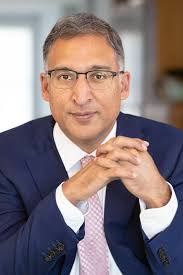
Neal Katyal is a prominent figure in the legal landscape, known for his contributions to law and advocacy in the United States and internationally. His legal career has been marked by significant cases that have shaped judicial precedents and public policy. As a former Acting Solicitor General of the United States, his insights and legal expertise are highly relevant to current discussions around constitutional law and justice reform.
Career Highlights
Neal Katyal has had a distinguished career, beginning with his graduation from Harvard Law School, where he served as the Editor of the Harvard Law Review. He quickly gained acclaim when he became the first Asian American to serve as the Acting Solicitor General after his appointment in 2010. Katyal represented the Obama administration in numerous high-profile cases before the United States Supreme Court, contributing to landmark decisions on healthcare, immigration, and voting rights.
One of his most notable achievements came with the case of National Federation of Independent Business v. Sebelius, where he played a critical role in defending the Affordable Care Act. His persuasive arguments and legal acumen were instrumental in the Supreme Court’s decision to uphold key components of the legislation.
Recent Developments
In recent years, Katyal has been a vocal advocate for constitutional rights, frequently appearing as a legal analyst on major news networks. His commentary on issues surrounding the Biden administration’s policies and the implications of various Supreme Court decisions has garnered attention. He has also authored several opinion pieces and legal critiques that highlight his views on the current legal challenges facing the nation.
Furthermore, in response to the changing legal landscape, Katyal has focused on the importance of protecting democratic institutions. He emphasizes the role of the judiciary in safeguarding rights and discouraging abuses of power, especially in light of rising political tensions and unprecedented legal challenges.
Conclusion
Neal Katyal continues to be a significant voice in the realm of law, advocating for justice and legal integrity at both national and international levels. As he engages with the complexities of modern legal challenges, his insights remind us of the importance of a robust and fair judicial system. Moving forward, Katyal’s contributions are expected to influence future generations of lawyers and lawmakers, shaping the conversation around democracy and governance in the years to come.