Smoke, travel and Trump threaten New York’s grand World Cup finale
Air quality concerns for the final
The World Cup 2026 final, scheduled for Sunday at the New York New Jersey Stadium (also known as MetLife Stadium in New Jersey), is facing challenges including thick smoke and travel issues. The smoke, originating from wildfires in Canada, has spread across the eastern seaboard of the United States, leading to concerns about air quality in the New York region. On Thursday, air quality advisories were elevated from “unhealthy” to “very unhealthy” in western New York, and the New York City metropolitan area also experienced “unhealthy” conditions. Emergency management officials in New York City issued a citywide code red from Tuesday to Thursday, advising residents to remain indoors and avoid strenuous activity.
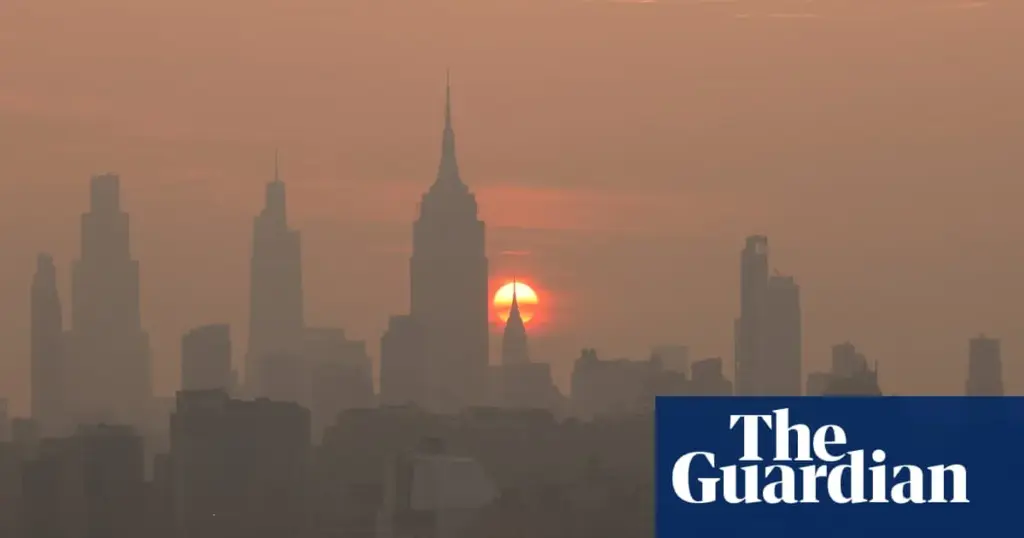
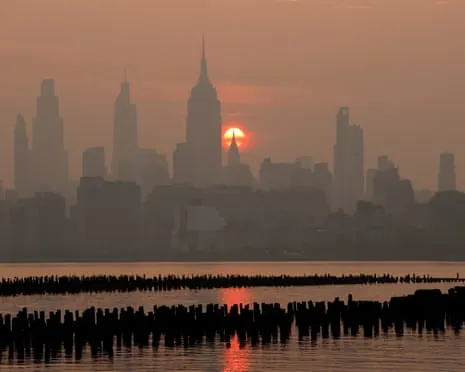
The smoke has significantly reduced visibility across the region, obscuring landmarks such as the Empire State Building and the Statue of Liberty. Conditions were severe enough to cause numerous flight cancellations from Newark Airport in New Jersey. Despite these challenges, FIFA officials are optimistic that the situation will improve by Sunday, with rain forecast for Saturday expected to help clear the smoke. However, sports events have already been affected; a National Women’s Soccer League (NWSL) match in Queens on Wednesday was played in an orange-brown haze, requiring two additional breaks per half due to the league’s poor air policy.
The selection of New York as the final venue was partly due to its global appeal and a favourable timezone for European television audiences, despite initial concerns about extreme summer heat. Enzo Fernández of Chelsea previously described playing conditions in New York as “very dangerous” during a Club World Cup semi-final last year. The current air quality issues present an unexpected obstacle for the event, which is anticipated to draw a worldwide television audience of 1.6 billion.
Travel and presidential presence
Beyond environmental factors, logistical challenges for fans travelling to the stadium remain a significant concern. The MetLife Stadium is known among NFL fans for its limited public transportation options and the difficulties associated with navigating the Lincoln Tunnel, which connects Manhattan to New Jersey. Parking on Sunday will be restricted to guests and VIPs only. While the cost of bus and rail travel has increased for the tournament, a joint intervention by the New York and New Jersey governments has reduced the initial matchday return fare for New Jersey Transit trains from $150 to $98, though this is still considered high for a 20-minute journey. Shuttle buses from Manhattan will also be available for $20.
The presence of Donald Trump is another factor being managed by FIFA. He is expected to make an entrance via his helicopter, Marine One, flying over the stadium before landing at Teterboro Airport. Following a previous incident where Trump appeared to join Chelsea’s Club World Cup celebrations, FIFA has confirmed that he will present the trophy alongside Gianni Infantino. This arrangement echoes a precedent set four years prior when the emir of Qatar, Sheikh Tamim bin Hamad al-Thani, draped a traditional Arab cloak on Lionel Messi before the trophy presentation.
FIFA officials held discussions with Trump at Trump Tower on Friday afternoon, a meeting that necessitated road closures and caused disruption on Fifth Avenue. The organization hopes this engagement will help manage any potential unforeseen actions during the final. Despite the various challenges, the city has shown strong engagement with the World Cup; all seven previous games at MetLife Stadium have been sold out, and demand for restaurant and bar bookings to watch matches, such as England’s semi-final defeat by Argentina, has been high.
Source: theguardian.com