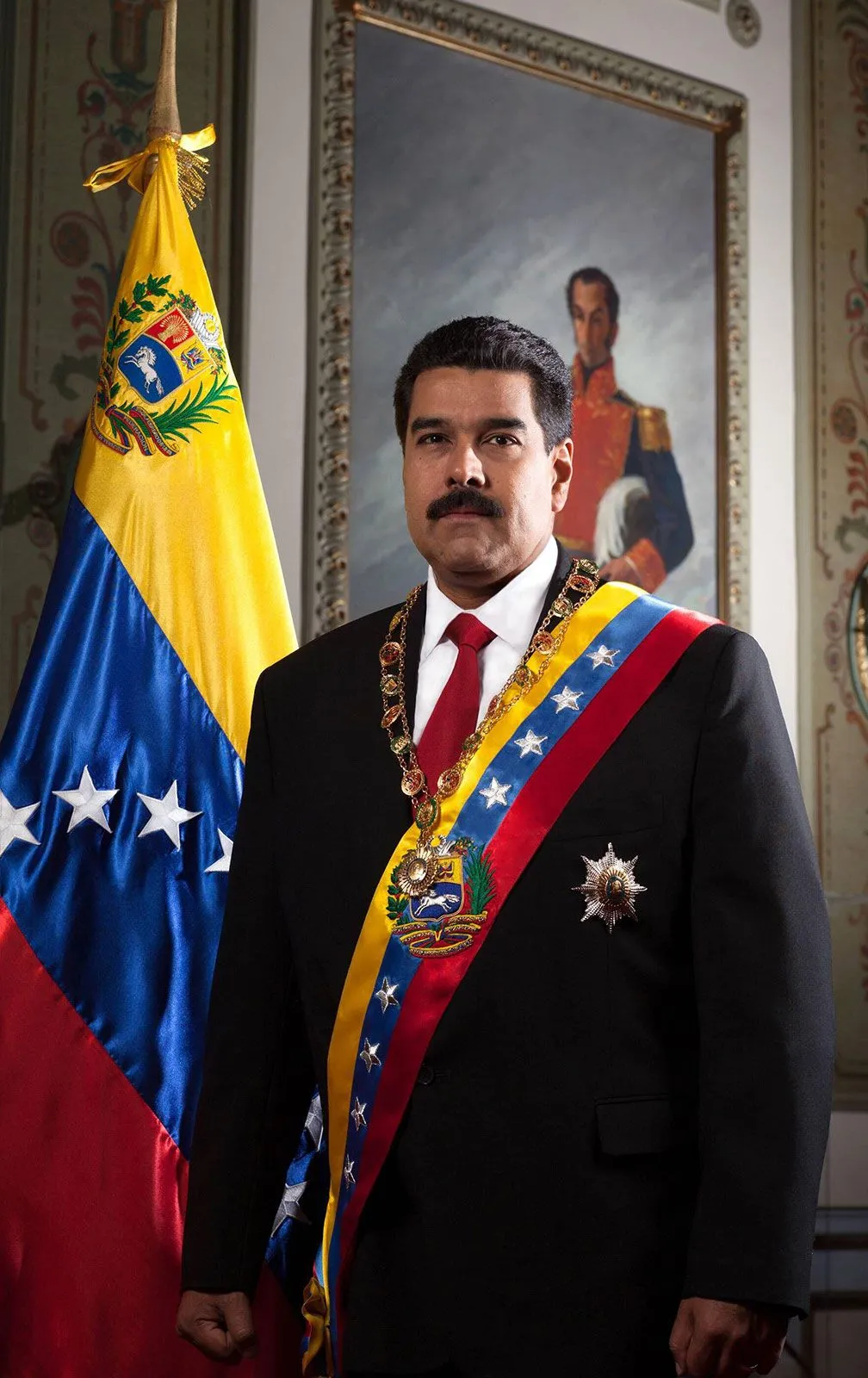
A U.S. soldier has been charged with insider trading after allegedly profiting from classified information regarding the capture of Venezuelan President Nicolás Maduro. Gannon Ken Van Dyke, a special forces officer, reportedly made over $400,000 by betting on Maduro’s removal using sensitive details he was privy to during the operation.
Before this shocking development, many believed that the U.S. military operations aimed at capturing Maduro would remain under wraps until an official announcement. Planning for the operation began on December 8, 2025, but no one anticipated that a soldier would compromise this mission.
The decisive moment came when Van Dyke placed bets on Polymarket—an online prediction market—regarding whether Maduro would be out of office by January 31, 2026. He wagered $33,000 based on his insider knowledge, which led to a staggering profit margin of 1,242% when the news broke of Maduro’s arrest.
On January 5, 2026, Nicolás Maduro and his wife were arrested in Manhattan. The Justice Department announced Van Dyke’s indictment shortly thereafter, marking a significant legal precedent: this is the first instance of prosecuting insider trading on a prediction market.
James C Barnacle Jr., a spokesperson for the military community, expressed outrage: “Gannon Ken Van Dyke allegedly betrayed his fellow soldiers by utilizing classified information for his own financial gain.” His actions have raised serious concerns about trust within the ranks.
Polymarket also reacted swiftly. A spokesperson stated, “Insider trading has no place on Polymarket. Today’s arrest is proof the system works.” This incident highlights the challenges prediction markets face in maintaining integrity amidst potential abuses.
Van Dyke now faces serious charges including wire fraud and commodities fraud—each carrying maximum penalties of up to 20 and 10 years in prison, respectively. His actions have not only jeopardized his career but also cast a shadow over U.S. military operations.
Yet uncertainties remain regarding Van Dyke’s legal representation as officials have not confirmed if he has retained an attorney. The implications of this case extend beyond individual accountability; it raises questions about how classified information is safeguarded within military ranks.
This situation reflects a broader narrative in Venezuelan politics where trust and betrayal often intertwine. As Donald Trump noted recently, “We’re a respected country again like, maybe, like never before,” but incidents like this could tarnish that perception.