Introduction
North Macedonia, located in the heart of the Balkans, is a country that has been gaining attention for its unique blend of history, culture, and economic potential. As a nation that emerged from the former Yugoslavia, North Macedonia has made significant strides in recent years toward stability and growth, making its story one of globalization and resilience. The importance of understanding North Macedonia’s current position is crucial for those interested in the geopolitics of Southeastern Europe.
Recent Developments
In recent months, North Macedonia has made headlines due to its efforts in embracing European Union membership, aiming to join the bloc by 2030. The country has successfully implemented reforms and fostered stronger diplomatic ties, particularly following the signing of the Prespa Agreement, which resolved a long-standing name dispute with Greece. This agreement not only paved the way for North Macedonia’s accession to NATO in March 2020 but also opened the door for EU negotiations, highlighting its commitment to regional stability and cooperation.
Economic Growth
Economically, North Macedonia has seen a resurgence, fueled by foreign investments and an emerging technology sector. According to the World Bank, the country’s GDP growth forecast is projected at 3.5% for 2023, supported by government initiatives promoting startups and innovation. This growth is significant, as it allows for improved living standards and job creation, essential for a nation still recovering from the socio-economic shocks of the past.
Cultural Landscape
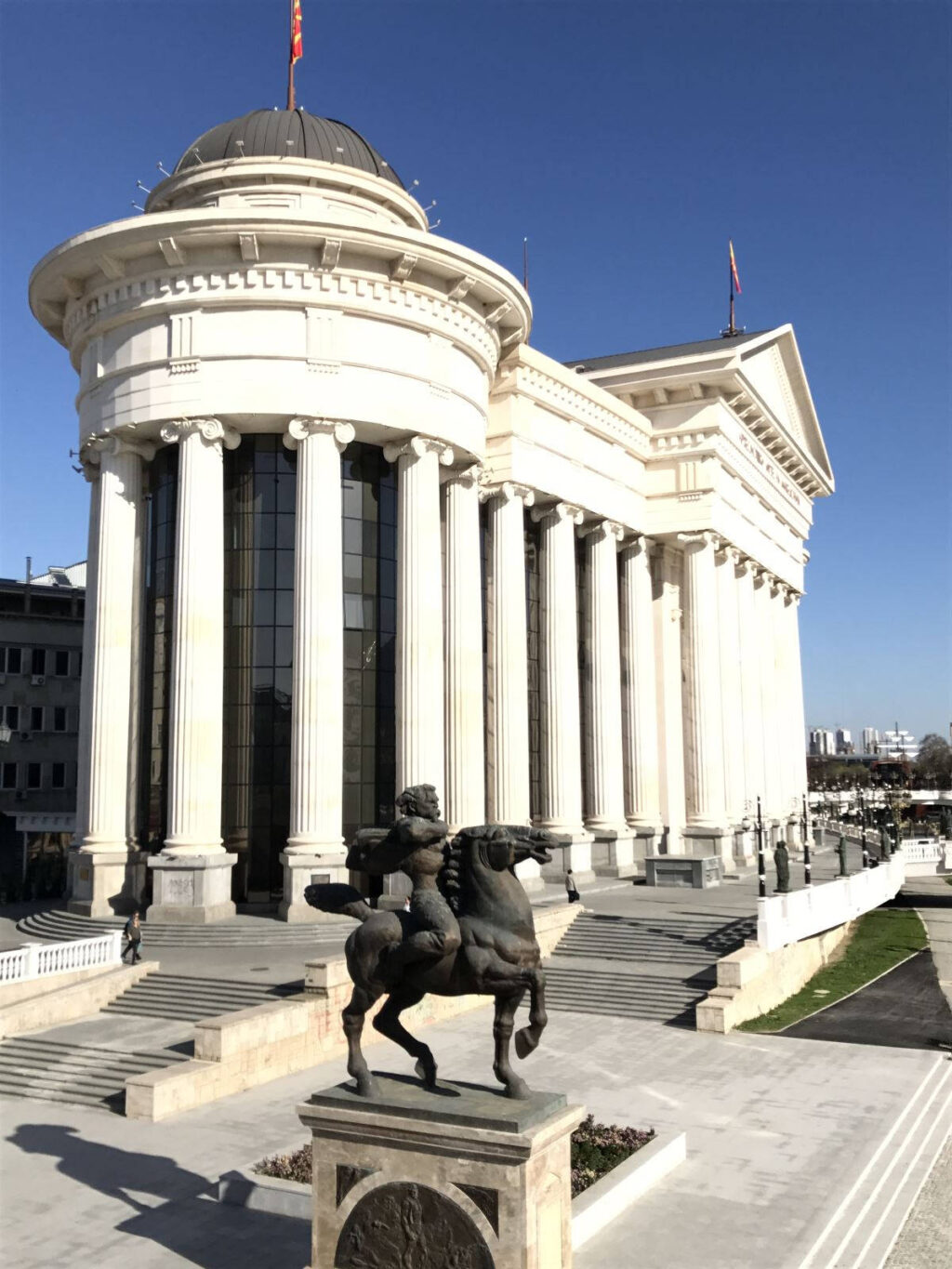
Culturally, North Macedonia is a melting pot of traditions, evident in its rich festivals, gastronomy, and historical landmarks. Skopje, the capital, is a vibrant city featuring a blend of modern architecture and historical artifacts, including the iconic Stone Bridge and the ancient city of Ohrid, a UNESCO World Heritage site known for its beautiful lakes and medieval architecture. These attributes not only enhance tourism but also foster national pride and cultural identity.
Conclusion
In conclusion, North Macedonia stands at a crossroads of potential and promise, with its aspirations of joining the EU likely to reshape its future. As the country continues to modernize and integrate into European frameworks, it also remains deeply rooted in its cultural heritage. For readers, staying informed about North Macedonia demonstrates the importance of recognizing how smaller nations contribute to the broader geopolitical landscape and economic dynamics of the European continent. With its ongoing reforms and commitment to partnership, North Macedonia is poised to become a vital player in the region.