The numbers
The conflict in the Strait of Hormuz has reached critical levels, with over 2000 deaths reported in the ongoing Middle East war. The U.S. has incurred costs exceeding 11 billion dollars within the first week of military engagement, highlighting the significant financial burden this conflict places on the nation and its allies.
As tensions escalate, the Strait of Hormuz, a vital maritime corridor through which one-fifth of global oil production transits, has been blocked by Iranian forces. This blockade has raised alarm among global markets, with the price of Brent crude oil surging by more than a third since the onset of hostilities.
In a recent statement, former President Donald Trump emphasized the importance of NATO’s involvement, warning that the alliance’s future could be jeopardized if member nations do not support U.S. efforts in the region. “S’il n’y a pas de réponse [à la requête américaine, NDLR], ou si celle-ci est négative, je pense que cela aura des conséquences très mauvaises pour l’avenir de l’OTAN,” he stated, underscoring the urgency of the situation.
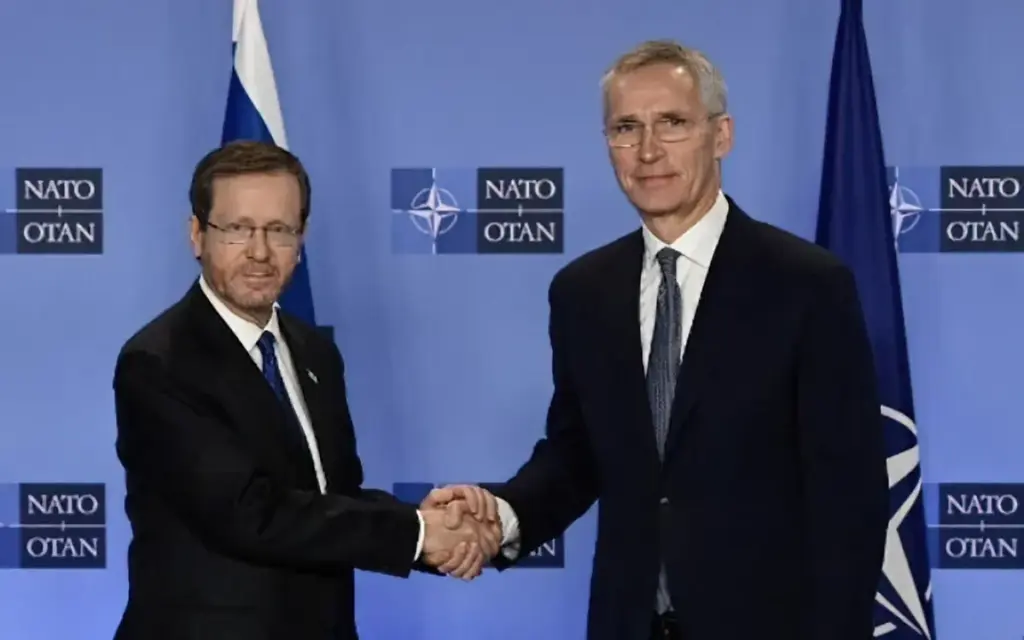
In response to the crisis, six NATO countries have expressed their readiness to contribute to securing the Strait of Hormuz. This collective effort aims to ensure the safety of maritime routes and stabilize the global oil supply, which is critical for many economies worldwide.
Iran’s Revolutionary Guards have escalated their military actions, reportedly firing 700 missiles and deploying 3600 drones targeting Israeli and American positions. This aggressive posture has drawn condemnation from various nations, with calls for restraint and dialogue.
Abbas Araghchi, a senior Iranian official, dismissed the possibility of negotiations with the U.S., stating, “Nous ne voyons aucune raison de négocier avec les Américains.” This sentiment reflects the deep-seated animosity and mistrust that has characterized U.S.-Iran relations for decades, rooted in historical grievances and previous military interventions.
As the situation unfolds, the international community remains watchful. The release of 400 million barrels from strategic reserves has been announced to mitigate the impact of rising oil prices, but the long-term implications of this conflict remain uncertain. Details remain unconfirmed regarding the extent of NATO’s involvement and the potential for further escalation in the region.
With approximately 3200 ships currently navigating the Strait of Hormuz, the stakes are high. The militarization of international waterways has raised concerns among global leaders, including Canadian Defense Minister Anita Anand, who stated, “Il ne devrait pas y avoir de militarisation des voies maritimes internationales.” As the world watches, the hope for a peaceful resolution hangs in the balance amidst the turmoil of war and geopolitical strife.