Importance of Ice Dancing in the Olympics
Ice dancing is a captivating sport that combines artistry, athleticism, and intricate choreography on ice. Since its introduction to the Olympic Games in 1976, ice dancing has grown immensely in popularity and showcases some of the most glamorous performances in winter sports. The event is not just a competition; it’s a celebration of culture, creativity, and human expression through the medium of ice.
Recent Events and Highlights
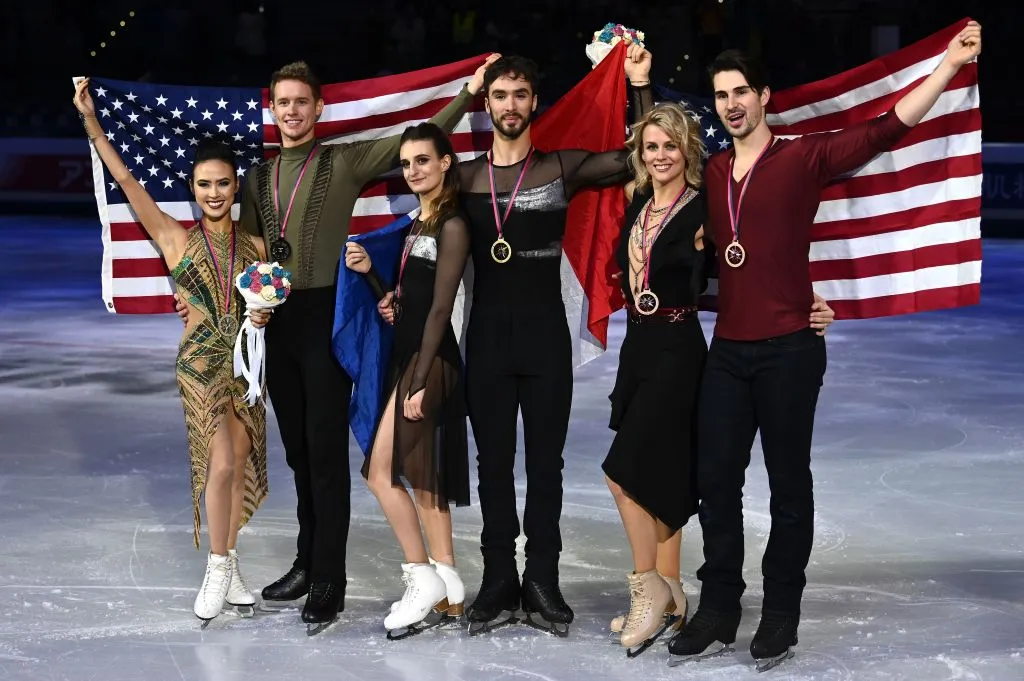
The latest Olympic Games held in Beijing in 2022 featured remarkable performances from international competitors. The Russian duo of Gabriela Papadakis and Guillaume Cizeron captured the gold medal, with their routine hailed for its fluidity and emotional depth. Meanwhile, the American team of Madison Hubbell and Zach Donohue secured the silver, impressing audiences with their breathtaking lifts and seamless transitions.
The 2022 Olympics also saw a surge in younger athletes entering the scene, as several teen competitors showcased their talent, foreshadowing a new era in ice dancing with fresh choreography and innovative skating techniques. This was evident in the performances of the Japanese team of Kana Muramoto and Daisuke Takahashi, who brought a lively and contemporary flair to the traditional art form.
Significance and Future of Ice Dancing
Ice dancing’s growth is not limited to the Olympics; it continues to influence global interest in figure skating and related disciplines. Its integration into major entertainment showcases and television programs has brought increased visibility, inspiring a new generation of skaters. As the sport evolves, it is likely to see further diversification in styles and performances, with a greater emphasis on storytelling through dance.
Looking ahead, the potential for ice dancing to incorporate diverse cultural elements into its routines provides an exciting avenue for innovation. Upcoming Olympic events will certainly be keen on highlighting this evolution, presenting new opportunities for both athletes and choreographers to captivate audiences around the world.
Conclusion
As we anticipate future Olympic Games and the next wave of ice dancing talents, it is clear that this sport remains a significant part of winter athletics, blending skill with artistic expression. For fans and upcoming athletes alike, the ice dancing Olympics represent not just competition, but a unique platform for creativity and global artistic exchange.