Introduction
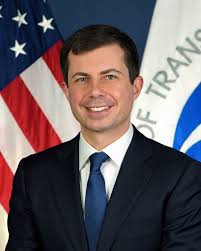
Pete Buttigieg, the U.S. Secretary of Transportation, has become a key figure in shaping the future of American infrastructure and transportation policies. As the country faces unprecedented challenges regarding transportation efficiency and safety, Buttigieg’s leadership is more critical than ever. His initiatives reflect a commitment to modernizing transport systems amid the ongoing transition to sustainable energy and advanced technologies.
Recent Initiatives and Policies
In recent months, Secretary Buttigieg has spearheaded numerous initiatives aimed at improving transportation safety and accessibility. One significant focus has been on enhancing public transit systems. In late September 2023, Buttigieg announced a federal grant program providing over $1 billion to support public transit authorities as they invest in cleaner, more efficient transit options. This funding is designed to help cities across the nation upgrade their fleets, which are vital for reducing congestion and carbon emissions.
Additionally, Buttigieg has highlighted the importance of infrastructure resilience amid climate change. The Department of Transportation has rolled out guidelines encouraging the integration of climate considerations into urban planning. This effort aims to ensure that future infrastructure projects can withstand extreme weather events and promote sustainability.
Challenges Faced
However, Buttigieg’s tenure has not been without challenges. Supply chain disruptions and labor shortages, exacerbated by the ongoing fallout from the COVID-19 pandemic, have hindered the progress of some transportation projects across the country. The Secretary has emphasized his commitment to working with various stakeholders to address these challenges, calling for increased collaboration between government, industry leaders, and labor unions.
Moreover, his advocacy for electric vehicles (EVs) faces hurdles in terms of infrastructure buildout, particularly in rural areas. As the Biden administration seeks to promote EV adoption, Buttigieg’s role in expanding charging infrastructure remains increasingly vital.
Conclusion
Pete Buttigieg’s leadership as Secretary of Transportation has positioned him at the forefront of addressing pivotal issues in American transportation. With ongoing investments in public transit and commitments to climate resilience, his policies signify a shift towards a more sustainable and inclusive transportation network. As the country moves forward, the effectiveness of these initiatives will be crucial in determining the future of travel and infrastructure in the United States, making Buttigieg’s role significant for citizens and policymakers alike.