Introduction
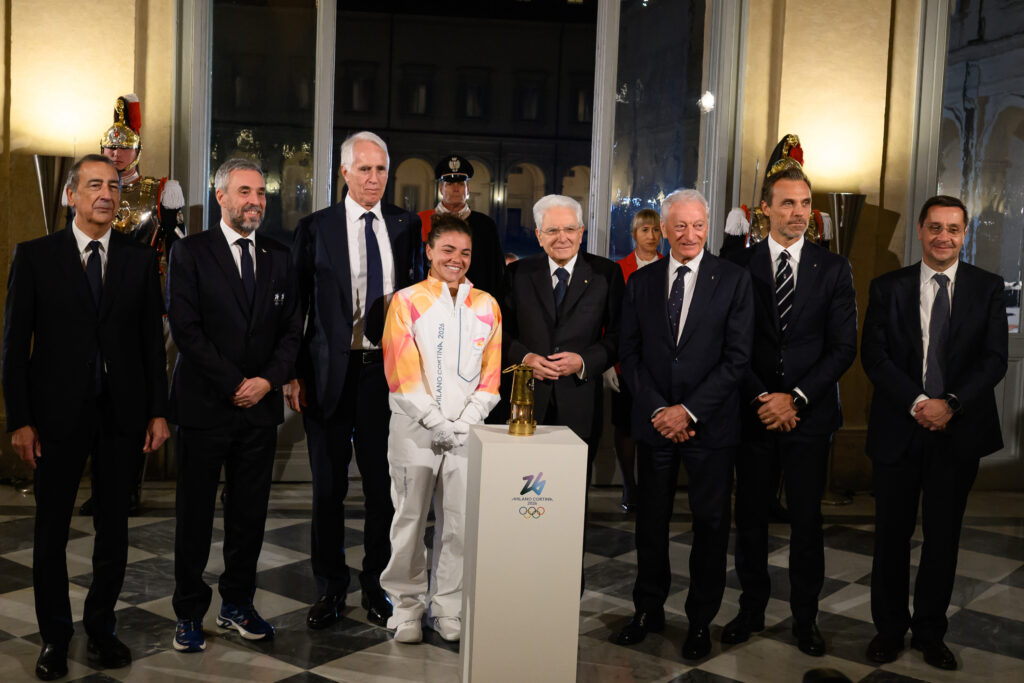
The 2026 Winter Olympics, hosted by Italy’s cities of Milan and Cortina d’Ampezzo, promise to be a landmark event in the world of winter sports. Set to take place from February 6 to February 22, 2026, the games are part of a legacy plan to revitalize both cities while showcasing Italy’s vast cultural heritage and stunning alpine beauty. The significance of the event extends beyond mere sporting competitions, potentially enhancing tourism, infrastructure, and international collaboration.
Event Overview
The 2026 Winter Olympics will feature 15 sports, including traditional events like Alpine skiing, ice hockey, and figure skating. Milan and Cortina d’Ampezzo, strategically located within the Italian Alps, will leverage their unique geographical advantages to provide a picturesque backdrop for athletes and viewers alike. With an expected 2,800 athletes participating from over 90 countries, this Olympic edition aims to celebrate not only the thrill of competition but also the spirit of unity among nations.
Infrastructure Developments
Preparation for such a grand event has sparked a wave of infrastructure developments across both cities. This includes the modernization of the existing sports venues, enhancement of transportation services, and the establishment of sustainable practices aimed at reducing the event’s overall carbon footprint. For instance, the renovations at the famous Medaarch facility in Milan are set to accommodate more than 20,000 spectators for key events.
Tourism and Economic Impact
The economic implications of the Milano Cortina 2026 Olympic Games are also noteworthy. Italy is anticipating an influx of tourists, which is projected to significantly boost local businesses, from hospitality to retail. The organizing committee estimates that the event will generate €1.1 billion in revenues, contributing to an upswing in the national economy. Additionally, it promotes Italy as a destination for winter sports and outdoor adventures, tapping into the increasing global demand for such experiences.
Conclusion
The Milano Cortina 2026 Winter Olympics present both a challenge and an opportunity for Italy. As the country prepares for this monumental event, stakeholders aim to ensure that it leaves a lasting legacy of sporting excellence and economic benefit. The potential for fostering international camaraderie and promoting tourism is immense, making the anticipation surrounding these games palpable. For athletes and fans alike, Italy’s embrace of winter sports is sure to be a captivating journey toward 2026.