The numbers
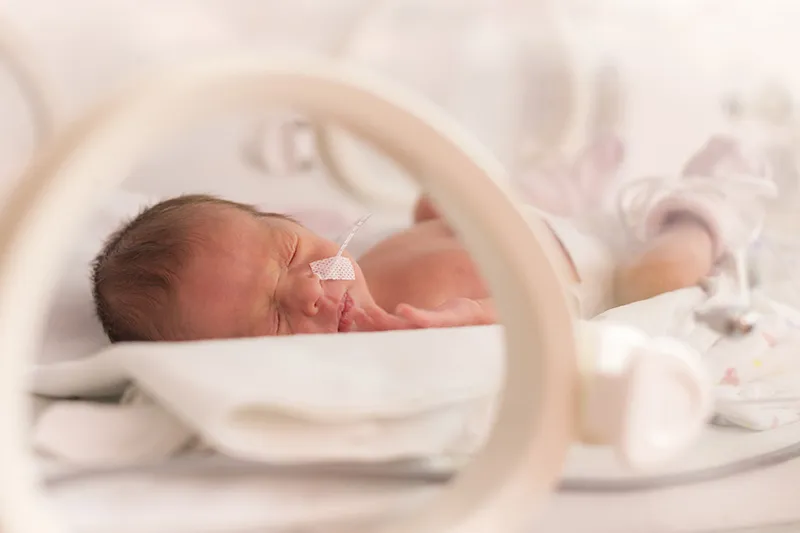
In 2018, exposure to di-2-ethylhexylphthalate (DEHP) was linked to nearly 1.97 million preterm births globally, a staggering figure that underscores a pressing public health issue. This exposure also contributed to the tragic deaths of 74,000 newborns, highlighting the severe consequences of chemical exposure on vulnerable populations.
Approximately 8% of the world’s total preterm births that year were attributed to DEHP, with an additional 1.88 million preterm births potentially linked to diisononyl phthalate (DiNP). These figures were derived from a comprehensive study that estimated DEHP exposure across 200 countries and territories, revealing a widespread health crisis.
Africa bore a significant burden, accounting for 26% of health problems associated with DEHP-linked preterm births. Meanwhile, the Middle East and South Asia represented a staggering 54% of estimated illnesses from preterm birth linked to this chemical. Such statistics reveal not only the geographical disparities in health impacts but also the urgent need for targeted interventions.
Phthalates, the class of chemicals in question, are commonly found in a variety of consumer products, including cosmetics, detergents, and food packaging. Their widespread use raises concerns about their pervasive presence in our daily lives and their potential to disrupt hormone production, leading to various health problems.
Dr. Leonardo Trasande, a prominent figure in the field, emphasized the dangers of these chemicals, stating, “This is a dangerous class of chemicals.” His remarks highlight the critical need for awareness and action regarding chemical exposure, particularly among pregnant women and young families.
In light of these findings, Sara Hyman, MS, noted, “By estimating how much phthalate exposure may contribute to preterm birth worldwide, our findings highlight that reducing exposure, especially in vulnerable regions, could help prevent early births and the health problems that often follow.” This perspective underscores the potential for public health initiatives to mitigate these risks.
However, the investigation did not establish a direct causal relationship between DEHP and DiNP and preterm birth, leaving some uncertainties in the data. As Dr. Donghai Liang pointed out, “The broader concern is really about phthalates as a class and focusing on one or two at a time may underestimate the overall risk.” Details remain unconfirmed, but the implications of these findings are clear.
As communities and health organizations work to address these challenges, the focus must remain on reducing exposure to harmful chemicals and protecting the health of mothers and newborns. With continued research and advocacy, there is hope for a future where preterm births can be significantly reduced, ensuring healthier beginnings for all children.