Introduction
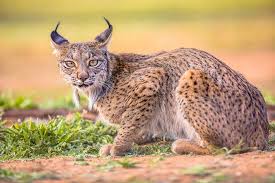
The Iberian lynx, a majestic feline native to the Iberian Peninsula, is one of the world’s most endangered cats, with its population dwindling due to habitat loss, hunting, and a decline in prey species, particularly the European rabbit. Conservation efforts aimed at protecting this species are critical as its extinction would not only erase a unique part of biodiversity but also reflect the broader health of the ecosystems it inhabits. The current status of the Iberian lynx highlights the urgent need for continued action.
The Current Status of the Iberian Lynx
As of 2023, it is estimated that fewer than 250 mature Iberian lynxes remain in the wild, with most residing in protected areas of Spain. The lynx had nearly faced extinction, dropping to about 100 individuals in the early 2000s due primarily to habitat fragmentation and a lack of sufficient prey. However, thanks to extensive conservation programs, including breeding in captivity and reintroduction into the wild, the population has seen a gradual increase. Organizations like the Iberian Lynx Recovery Program and several international wildlife agencies have worked tirelessly over the past two decades to combat the threats facing this species.
Conservation Efforts
Key components of the conservation strategy include habitat restoration, legal protections, and education programs. Efforts to restore the ecosystem are underway, focusing on increasing the European rabbit population, which is essential for the lynx’s survival. Laws have also been strengthened to protect the lynx from hunting and poaching. Furthermore, educational initiatives aimed at local communities have helped raise awareness about the importance of the species and promoted coexistence.
Additionally, the use of technology, such as GPS tracking and camera traps, has allowed researchers to monitor lynx populations more effectively. These advancements help in assessing their health and distribution, which is critical for future conservation planning.
Conclusion
As conservation initiatives continue to evolve, the situation of the Iberian lynx remains fragile but promising. The ongoing efforts have resulted in a noted increase in their numbers, but the species is still at risk. The Iberian lynx serves as a barometer for the health of Mediterranean ecosystems; its plight reflects the broader environmental challenges we face today. Protecting this iconic feline requires a collective effort from local communities, governments, and international organizations, underscoring the importance of collaboration in conservation. Continued attention and funding are essential to ensure the survival of the Iberian lynx for future generations.