Introduction
The ongoing diplomatic dialogue between the United States and Iran has garnered increasing attention, especially with recent talks taking place in Oman. These discussions are crucial, as they potentially influence not only bilateral relations between these two nations but also impact the wider geopolitical landscape of the Middle East. The urgency for renewed dialogue stems from various factors, including the nuclear agreement, regional stability, and ongoing conflicts involving Iran’s influence.
Key Events Surrounding the Talks
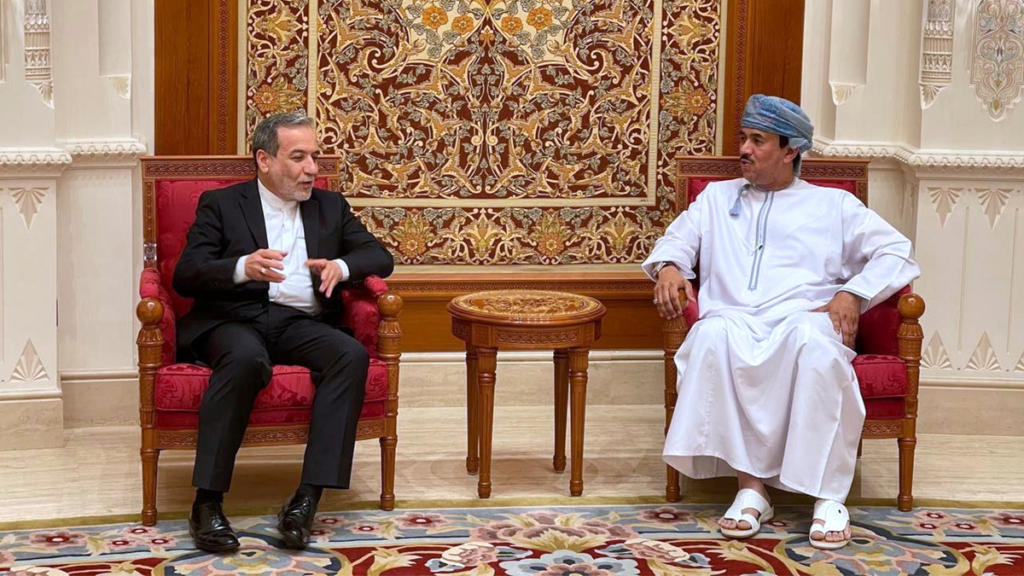
In early October 2023, reports emerged that US officials met with Iranian representatives in Oman for discussions focused on nuclear negotiations and regional security. This marked an important development following years of tensions and stalemates since the US withdrawal from the Joint Comprehensive Plan of Action (JCPOA) in 2018. Although specifics of the discussions remain confidential, sources indicated that the talks aimed to address concerns surrounding Iran’s nuclear ambitions and its role in regional conflicts.
Oman has historically served as a neutral ground for dialogue between adversaries, and officials from both sides praised the sultanate’s facilitative role. The Omani foreign minister confirmed that the discussions aimed at creating a framework for de-escalation and improving mutual trust between the two nations.
Implications and Future Prospects
The continuation of talks in Oman highlights a willingness on both sides to potentially revive or reformulate the nuclear agreement. Experts suggest that the outcome of these dialogues could have significant implications for Iran’s economic stability and US foreign policy in the region. Should progress be made, it could lead to a reduction in sanctions on Iran, opening doors for economic improvements and a decrease in regional tensions.
Moreover, the talks could influence proxy conflicts involving Iran in Syria, Iraq, and Yemen, emphasizing the necessity for stabilized relations for broader peace in the Middle East. However, skepticism remains, as previous negotiations have faltered due to differing interpretations and expectations.
Conclusion
The US-Iran talks in Oman represent a critical juncture in international relations and signify a possible shift towards diplomatic engagement. While the outcome remains uncertain, the international community watches closely, understanding that movements in these discussions could reshape the future of security and cooperation in a tumultuous region. Continued dialogues, if fruitful, may pave the way for a more stable Middle East and enhanced global diplomatic relations.