Introduction
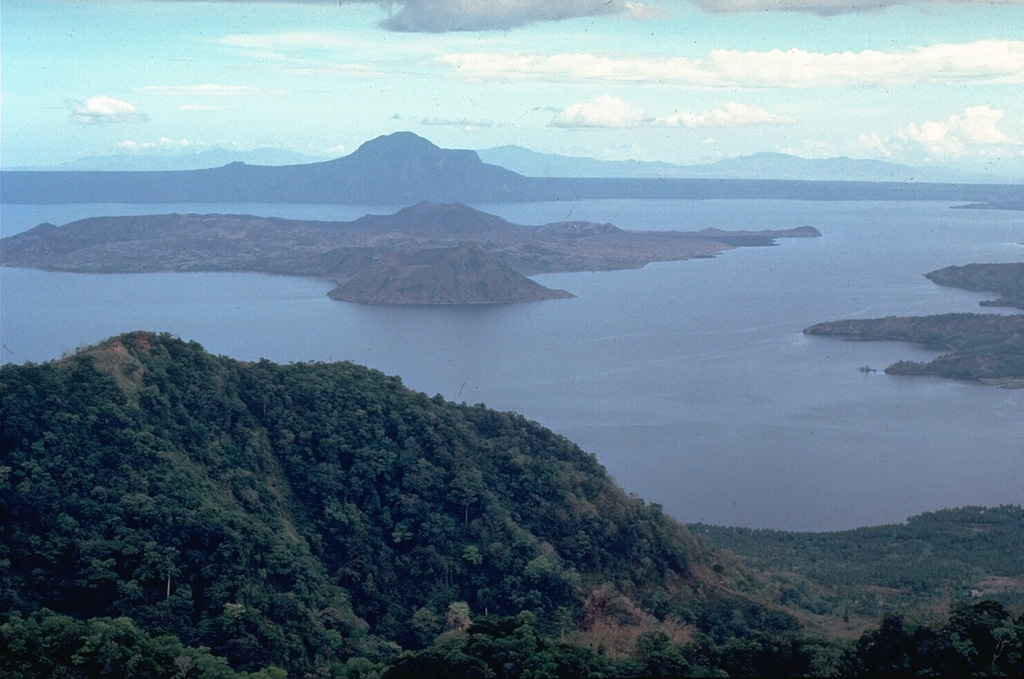
The Taal Volcano, located on the island of Luzon in the Philippines, is one of the most active volcanoes in the country. Its importance cannot be overstated, as its eruptions pose significant threats to the surrounding communities and the broader environment. The ongoing geological activity of Taal has gained international attention, particularly in light of its recent eruptions and the implications for nearby populations.
Recent Activity at Taal Volcano
Since the start of 2023, Taal Volcano has experienced increased activity, with the Philippine Institute of Volcanology and Seismology (PHIVOLCS) raising alert levels at various stages. On March 3, 2023, heightened seismic activities suggested the possibility of volcanic eruptions, leading to the evacuation of thousands of residents living in high-risk areas. The most notable eruption occurred in January 2020, when the volcano spewed ash clouds that affected air travel and local agriculture.
Consulting data from PHIVOLCS, we see that since 2020, Taal has displayed episodes of volcanic tremors, increased gas emissions, and minor fissures in the ground surrounding the caldera, all indicative of magma movement beneath the surface. Most recently, on October 5, 2023, small ash explosions have been reported, prompting authorities to maintain close monitoring and encourage preparedness among local communities.
Impact on Local Communities
The implications of Taal’s eruptions extend beyond immediate threats; they encompass long-term effects on health, agriculture, and the economy. Lava and ashfall can result in property damage and respiratory issues among residents. Furthermore, the disruption of normal activities can diminish livelihoods, particularly for farmers in the area whose crops may be contaminated by volcanic ash.
Local governments and humanitarian organizations have mobilized to provide aid to affected individuals and reinforce disaster preparedness measures. This includes stockpiling essential supplies and enhancing community awareness programs about natural disaster preparedness.
Conclusion
The recent activity of Taal Volcano serves as a critical reminder of nature’s power and the need for constant vigilance in volcanic regions. Monitoring programs and community preparedness initiatives will remain essential as authorities continue to assess the risks posed by the volcano. Forecasting potential eruptions accurately can save lives and mitigate the economic impact on vulnerable communities. For residents and observers alike, understanding Taal’s behaviors is crucial for continuing resilience in the face of natural threats.