Introduction
The recent explosion in Islamabad, Pakistan, on October 28, 2023, has raised alarms regarding security and stability in the region. As multiple reports emerge about the attack, the urgency for heightened vigilance in urban centers has never been clearer. Understanding the context and implications of such incidents is crucial for both local residents and the international community.
Details of the Incident
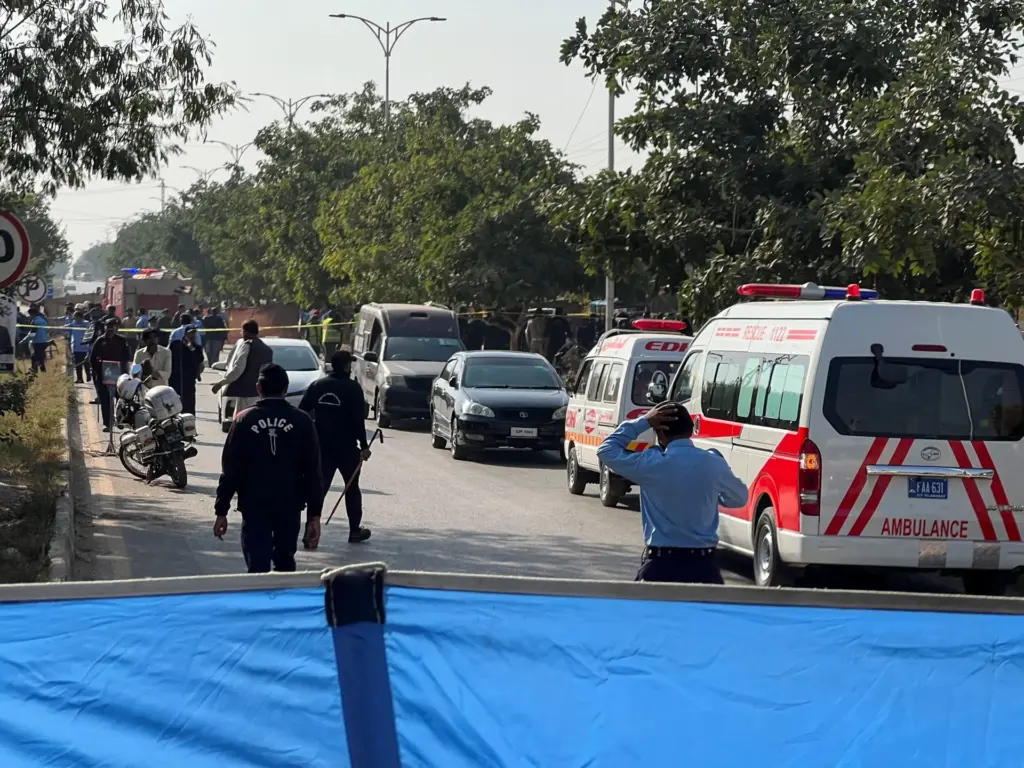
The Islamabad blast occurred during the morning rush hour in a busy marketplace, targeting civilians and leaving many injured. Initial estimates indicate at least 15 deaths and over 30 people wounded, with several in critical condition. Local law enforcement agencies have hastily cordoned off the area to facilitate investigation and rescue operations.
Eyewitness Accounts
Eyewitnesses described scenes of chaos and panic as people tried to flee the site. “There was a loud bang, and everything went dark for a moment. When I regained my senses, I saw people on the ground, and I didn’t know what to do,” said a local shopkeeper who witnessed the aftermath of the explosion.
Investigative Measures
In response to the incident, the Pakistani government has dispatched bomb disposal units and forensic teams to gather evidence and identify the bomb’s origins. So far, no group has claimed responsibility for the attack, but officials suspect extremist involvement. Authorities are examining CCTV footage from nearby establishments to gather leads.
Reactions and Implications
The Islamabad blast has drawn condemnation from various political leaders and human rights organizations. Prime Minister Shehbaz Sharif expressed his condolences and emphasized the government’s commitment to restoring peace and security. The incident has sparked discussions about the adequacy of current security measures in vulnerable urban areas, particularly as tensions rise in the country.
Conclusion
The Islamabad blast signals a troubling resurgence of violence in Pakistan’s capital and has escalated concerns about public safety. As investigations continue, stakeholders must consider the long-term implications for national security and community relations. It is essential for residents and authorities to remain vigilant and prepared to address such threats in the future. The recovery process, both physical and emotional, will require support and collaboration from all levels of society.