Introduction
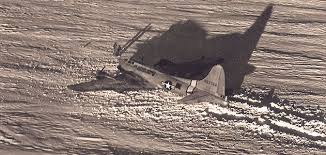
On September 29, 2023, a tragic plane crash occurred in Greenland, heightening concerns regarding aviation safety in remote areas. The incident involved a chartered flight from Iceland that went down near the eastern coast of Greenland. The relevance of this event is underscored by the challenging weather conditions and rugged geography characteristic of the region, often complicating rescue operations and emergency responses.
Details of the Incident
The aircraft, a small twin-engine plane, was reported missing shortly before it was scheduled to land. Initial investigations suggest that adverse weather conditions may have played a significant role in the crash, with heavy fog and strong winds reported in the area at the time of the incident. Authorities have confirmed that, of the eight passengers on board, four were rescued, while search efforts continue for the remaining individuals.
Local rescue teams, supported by international aid, quickly mobilized to the site. However, the remote location posed significant logistical challenges, with terrain issues and limited visibility hampering efforts. The Greenlandic Coast Guard has been heavily involved in the search-and-rescue operations, deploying helicopters and additional resources.
Facts and Figures
According to Air Safety Network, Greenland has the highest per capita rate of air traffic accidents in the world, largely due to its unpredictable weather and geographical constraints. The region is known for its vast icy landscapes and limited aviation infrastructure, which further complicate safety measures. Furthermore, approximately 10% of all flights to Greenland in the past two decades have experienced some level of operational disruption.
Conclusion
The recent plane crash in Greenland highlights increasing concerns about aviation safety in remote regions and the importance of updating emergency protocols in response to weather-related challenges. As the investigation continues, experts stress the need for enhanced training for pilots operating in such areas, as well as improved communication systems between air traffic control and pilots. While rescue efforts remain a top priority, this incident serves as a reminder of the risks faced by those who travel in and out of some of the world’s most challenging landscapes. Stakeholders in aviation will be closely monitoring the situation to prevent future tragedies.