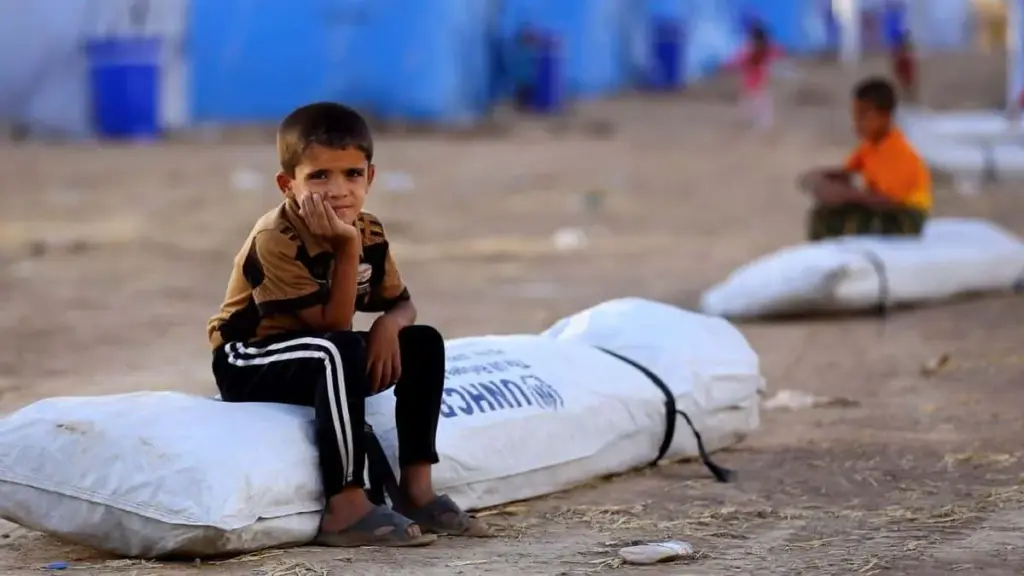
“On sait très bien que parmi les demandeurs d’asile et les réfugiés, il y a énormément de gens qui ont subi des violences extrêmes,” said Janet Cleveland, highlighting the urgent need for comprehensive mental health support.
Canada has recently imposed a limit of ten psychotherapy sessions per year for asylum seekers and refugees. This decision has sparked significant concern among mental health professionals and advocates who fear it will adversely affect vulnerable populations.
The new policy is set to take effect in January 2027, applying to all patients under the Interim Federal Health Program. Starting in May 2026, these beneficiaries will also be required to pay for certain medications and services, further limiting their access to essential healthcare.
This situation is particularly alarming considering that many asylum seekers arrive in Canada after enduring traumatic experiences. Cleveland emphasized the severity of these experiences, stating that trauma often requires long-term therapeutic interventions.
Daphnée-Sarah Ferfache, a psychotherapist, expressed her frustration: “Là, on me demande de faire ça avec des patients gravement traumatisés en 10 rencontres.” She worries that such a limited number of sessions will not allow adequate time to build trust or address deep-rooted issues.
The backdrop of this policy change is a broader context where many refugees and migrants are already struggling with mental health challenges. In Greece alone, at least 5,200 unaccompanied minors live under difficult conditions while awaiting asylum processing.
Key facts about the refugee situation in Europe:
- Approximately 120,000 refugees and migrants are currently in Greece awaiting asylum processing.
- Turkey hosts around 3.4 million refugees and migrants.
- Ten European countries have agreed to welcome about 1,600 migrant children.
The implications of Canada’s decision may extend beyond its borders. As countries like Portugal welcome unaccompanied children from Greek camps—up to 60 children are heading there—there’s an urgent call for cohesive international policies that prioritize human rights and mental health support for all migrants.