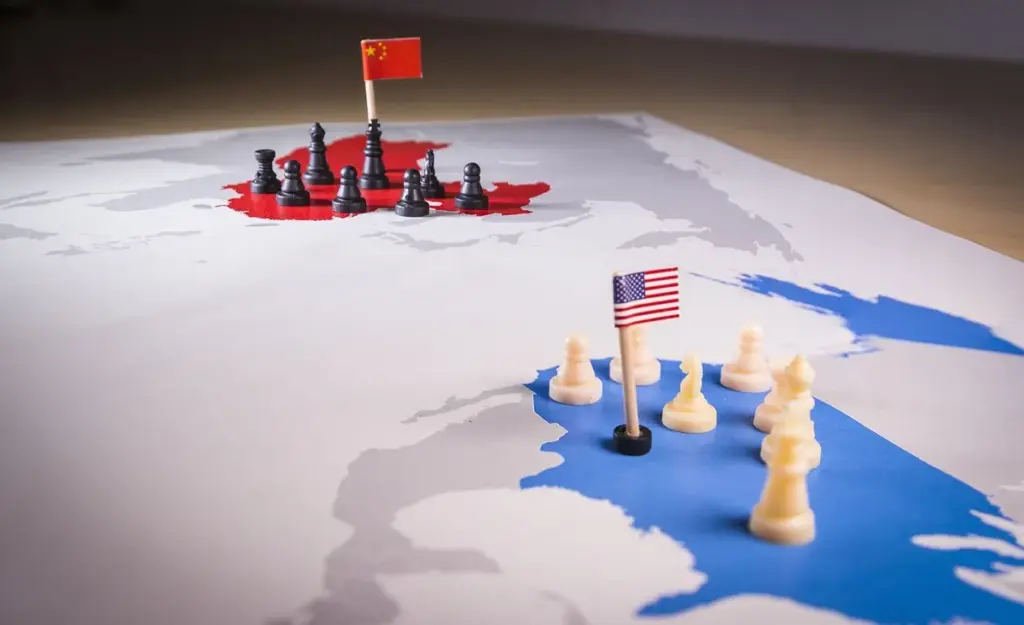
Recent Developments in Section 301 Tariffs
In a significant turn of events, the U.S. Supreme Court recently ruled that President Donald Trump’s global tariffs were imposed illegally. This ruling has prompted the Biden administration to reassess its trade strategies, particularly focusing on Section 301 tariffs, a tool established under the Trade Act of 1974 that allows the president to impose trade penalties following investigations into unfair trade practices.
As part of this reassessment, the U.S. has initiated a Section 301 investigation targeting 16 trading partners, including China, the European Union, Japan, India, Mexico, Vietnam, and Taiwan. This investigation is centered on concerns regarding excess manufacturing capacity, where global supply has significantly exceeded demand. The outcome of this investigation could potentially lead to new tariffs if unfair trade practices are confirmed.
Focus on Manufacturing and Forced Labor
In addition to the investigation into excess manufacturing capacity, the administration is also launching a separate Section 301 inquiry aimed at banning the import of goods produced with forced labor. This move aligns with broader efforts to ensure fair trade practices and protect American jobs. Jamieson Greer, a spokesperson for the U.S. Trade Representative, emphasized the importance of these investigations, stating, “We expect that this investigation will uncover a variety of unfair trading practices related to excess capacity and production in manufacturing.”
The current investigation is particularly relevant given the ongoing challenges in global supply chains and the need to address issues that may undermine fair competition. The Trump administration had previously sought to replace lost revenues from tariffs through different legal avenues, and the Biden administration appears to be following a similar path, albeit with a focus on legality and fairness.
Potential Impact on Trade Relationships
As the U.S. navigates these investigations, the implications for its trade relationships with the involved countries remain uncertain. The exact impact of new import taxes on existing trade agreements is unclear, and details remain unconfirmed. However, the administration’s commitment to protecting U.S. manufacturing is evident, with Greer stating, “He’ll find a way to protect U.S. manufacturing. We have a lot of tools to do it.”
The focus on Section 301 tariffs and related investigations highlights the U.S. government’s ongoing efforts to address trade imbalances and ensure that American industries are not disadvantaged in the global market. As the situation evolves, stakeholders in the affected countries will be closely monitoring the developments, which could reshape trade dynamics in the coming months.
In summary, the renewed focus on Section 301 tariffs signifies a pivotal moment in U.S. trade policy. With investigations into unfair trade practices and forced labor, the administration seeks to establish a framework that not only protects American jobs but also promotes fair competition on a global scale. The outcomes of these investigations will be crucial in determining the future of trade relations between the U.S. and its key partners.