Introduction
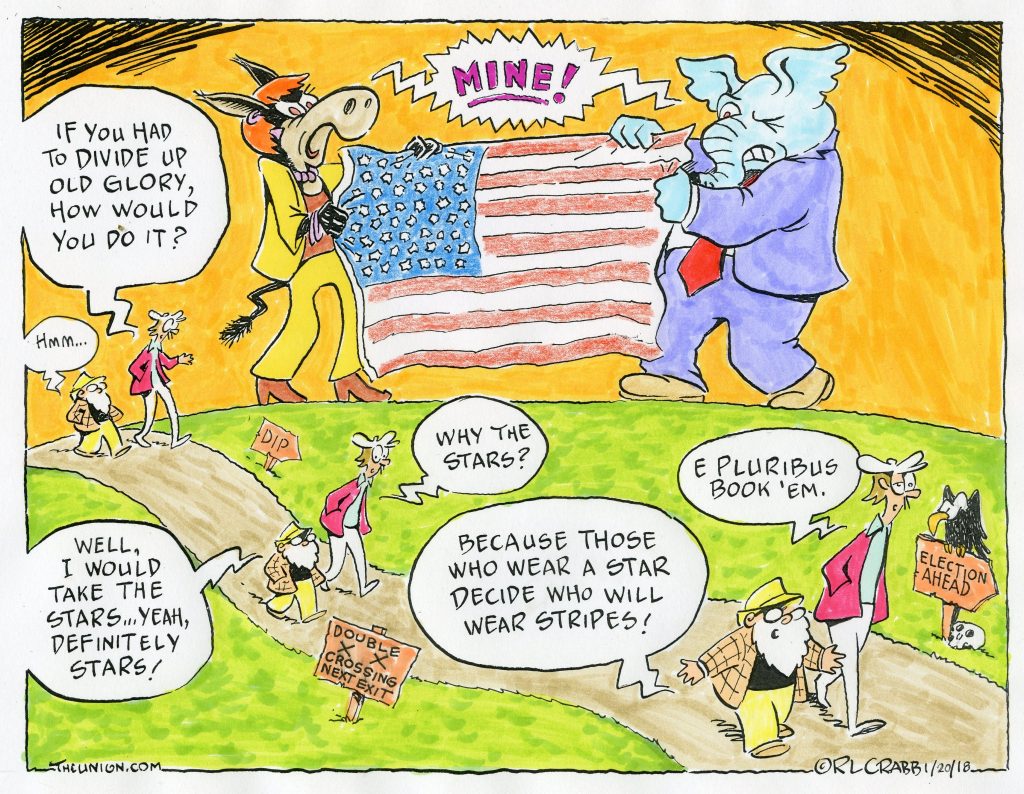
The phrase ‘Stars vs Stripes’ has come to symbolize not just a rivalry but also a cultural dichotomy between the United States and its symbols. This rivalry often manifests in sports, politics, and even arts, encapsulating the spirit of competition and identity. As global events and recent sports tournaments highlight this ongoing dichotomy, it’s essential to understand its implications and historical roots.
Historical Roots
The term ‘Stars and Stripes’ refers to the iconic banner of the United States, with stars representing the states and stripes signifying the original 13 colonies. Over the years, this emblem has become a powerful symbol of American patriotism. In contrast, ‘Stars’ often represent other countries or cultures, particularly in competitive sports contexts, leading to a spirited rivalry.
Current Events: Sports and Culture
The ongoing football season has reignited the ‘Stars vs Stripes’ rivalry, especially during international matches where the U.S. teams face off against national teams from other countries. Recently, the FIFA Women’s World Cup saw the U.S. women’s soccer team compete against teams like England and Canada, stirring intense emotions among fans and renewed discussions about national pride.
Moreover, the rivalry isn’t limited to soccer. In other sports, such as basketball and baseball, the competitive nature of these matchups exemplifies the deep-seated cultural implications of ‘Stars vs Stripes.’ Major League Baseball’s World Series, for example, often sees American teams vying for supremacy, embodying the spirit of national pride.
Impact on Society
The ‘Stars vs Stripes’ rivalry extends beyond the realm of sports. It shapes societal discussions around nationalism, identity, and cultural representation. Younger generations are increasingly critical of blind patriotism, seeking a nuanced understanding of what ‘Stars and Stripes’ mean in a global context. This conversation can lead to cultural enrichment as different perspectives gain visibility.
Conclusion
As we move forward into an increasingly interconnected world, the ‘Stars vs Stripes’ rivalry will likely continue to evolve. It offers a unique lens through which to examine American identity and its relationship with the rest of the globe. For readers, understanding this dynamic is crucial not just for appreciating sports but for grasping the broader cultural narratives that shape our societies. The interplay between these symbols acts as a mirror reflecting both the competitive nature and the potential for unity amidst diversity.