Introduction
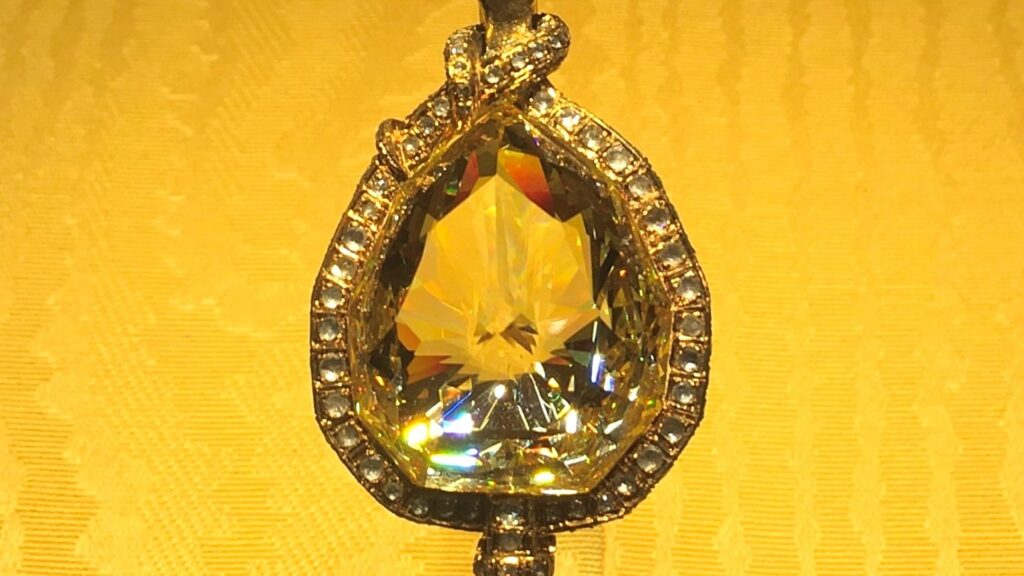
The Florentine diamond, a remarkable gemstone renowned for its rich history and unique qualities, has captivated the interests of gemologists and collectors alike. This illustrious diamond, with its natural beauty and storied past, not only represents wealth and luxury but also reflects the intricate tapestry of European history. Understanding its significance allows us to appreciate the profound connections between art, culture, and personal adornment throughout the centuries.
The History of the Florentine Diamond
Believed to have originated in India, the Florentine diamond is said to have been first introduced to Europe in the 16th century. It was brought to Florence by Francesco I de’ Medici, the Grand Duke of Tuscany, after he acquired it from an Indian prince. Weighing an impressive 137.27 carats, the diamond was originally cut in a unique shape, featuring a transparent, light yellow hue, enhancing its visual brilliance.
The diamond became a part of the Medici dynasty, symbolizing power and influence. Following its storied time in Florence, the diamond passed through various hands, ultimately ending up in the possession of the Habsburgs, who incorporated it into their regal collections. Its disappearances and reappearances have only added to its mystique, with the Florentine diamond being lost during the turbulent years of the French Revolution and later rediscovered.
Current Status and Significance
Today, the Florentine diamond remains a symbol of historical intrigue. Currently, it is tracked back to having been housed at the Austrian crown jewels in Vienna until it vanished in World War II. This beautiful gem has become a subject of fascination not only for jewel enthusiasts but also for historians and archaeologists who seek to piece together the diamond’s journey through time.
In recent years, there has been ongoing interest in rekindling the search for the Florentine diamond as rumors and speculation continue regarding its potential location. Institutions worldwide are increasingly focused on research and exhibitions that highlight the diamond and its cultural importance, prompting instances of public engagement to keep its legacy alive.
Conclusion
The Florentine diamond serves as more than just a luxurious gem; it embodies centuries of history, power struggles, and artistry. As we continue to explore the legacy of this diamond, we gain insights into the socio-political climates that surrounded its ownership and the artistry that shaped its distinctive cut. The ongoing quest to uncover its whereabouts and preserve its legacy is a testament to the enchantment that this diamond holds in our collective cultural consciousness, ensuring that it endures as a cherished icon of history.