Introduction
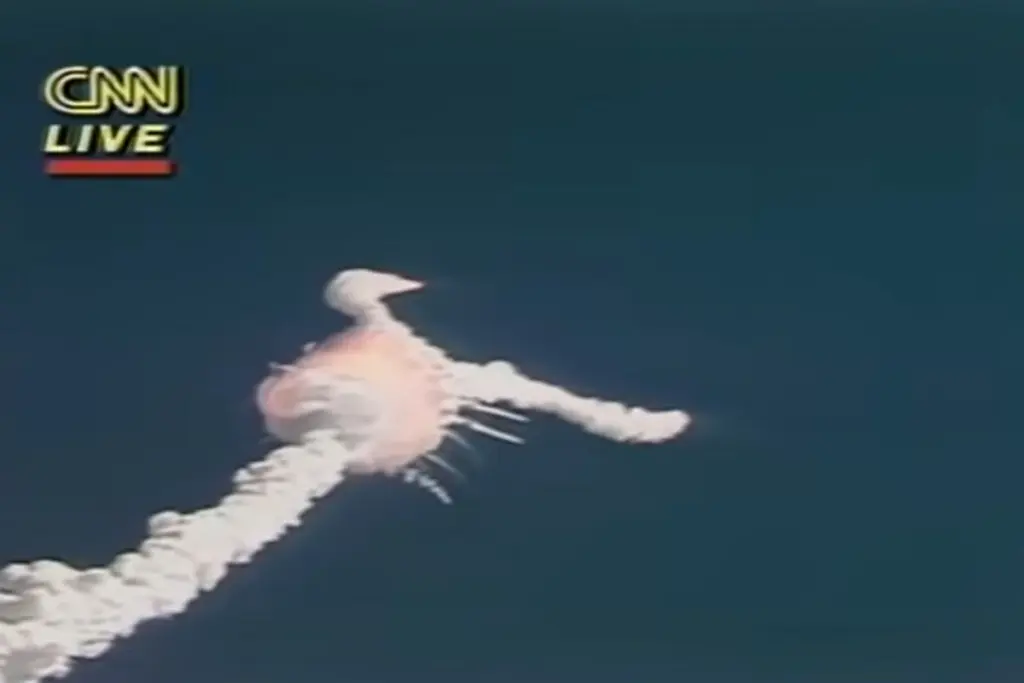
The Challenger explosion remains one of the most poignant events in the history of space exploration. On January 28, 1986, NASA’s Space Shuttle Challenger broke apart just 73 seconds after liftoff, resulting in the tragic loss of all seven crew members. This catastrophic failure not only marked a significant setback for NASA but also highlighted the complex and dangerous nature of space travel, leading to critical changes in safety protocols and oversight in the aerospace industry.
The Events of the Disaster
The Challenger was launched from the Kennedy Space Center in Florida, and its mission was to deploy a communications satellite and conduct scientific experiments. As the countdown reached zero, excitement was palpable, but this quickly turned to horror as the shuttle disintegrated in a fiery plume that shocked millions watching live on television.
The investigation revealed that the disaster was primarily caused by the failure of an O-ring seal in one of the Solid Rocket Boosters. This failure was linked to the unusually cold weather on the day of the launch, raising questions about NASA’s decision-making process and the pressures to adhere to a tight launch schedule. More than 40,000 witnesses, including schoolchildren who were watching because of teacher Christa McAuliffe’s participation, became part of this tragic chapter in history.
Impact and Legacy
The aftermath of the Challenger explosion led to profound changes in NASA’s operational procedures. The Rogers Commission, established to investigate the disaster, uncovered a culture within NASA that prioritized schedule over safety, leading to significant reforms within the organization. These included improvements in communication protocols among engineering staff and management, as well as the implementation of more rigorous safety checks prior to launches.
Furthermore, the disaster sparked a nationwide discussion about the risks of space travel and the importance of considering all safety measures. The Challenger incident is often cited in discussions regarding engineering ethics and the critical importance of whistleblowing when safety is at stake.
Conclusion
The Challenger explosion was not only a tragic loss of life but also a pivotal moment that transformed the aerospace industry. It serves as a reminder of the inherent dangers of space exploration and the necessity for unwavering safety standards. As we continue to explore beyond Earth, the lessons learned from Challenger remain relevant, ensuring that the brave individuals who venture into space do so with the utmost precautions and respect for their safety.