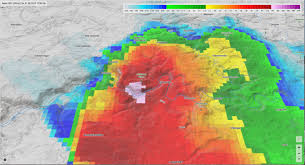
Introduction to Weather Radar
Weather radar technology has become an essential tool in meteorology, providing real-time data on precipitation and storm systems. As climate change continues to impact weather patterns, the ability to predict severe weather events accurately is becoming increasingly vital for public safety, agriculture, and infrastructure.
How Weather Radar Works
Weather radars operate by transmitting microwave signals into the atmosphere. These signals bounce off precipitation particles, and the radar receives the reflected signals to determine the intensity, motion, and type of precipitation present. Doppler radar, a specific type of weather radar, can also assess wind speed and direction, providing insights into storm development and movement.
Recent Developments in Weather Radar Technology
In recent years, advancements in weather radar technology have significantly improved forecasting accuracy and response capabilities. For instance, the National Oceanic and Atmospheric Administration (NOAA) has been upgrading its network of Doppler radars across Canada to enhance data resolution and minimize blind spots.
Moreover, the integration of dual-polarization radar technology has enabled meteorologists to differentiate between types of precipitation, such as rain, snow, or hail. This improvement provides critical data for better predicting the impacts of weather systems on various communities.
Significance of Weather Radar
Weather radar data is indispensable for various sectors, including emergency management, agriculture, and transportation. For example, during severe storms, radar allows for timely warnings, enabling communities to prepare for potential threats such as tornadoes and flash floods. Furthermore, farmers can rely on weather radar to make informed decisions about planting and harvesting crops according to precipitation forecasts.
Conclusion: The Future of Weather Radar
As climate change continues to challenge traditional weather patterns, the demand for advanced weather radar systems is likely to grow. Ongoing research and technological advancements will enhance the capabilities of weather radar, contributing to more precise forecasting and better disaster preparedness. Ultimately, the significance of weather radar cannot be overstated; it plays a crucial role in saving lives, protecting property, and supporting critical sectors of the economy.