Introduction
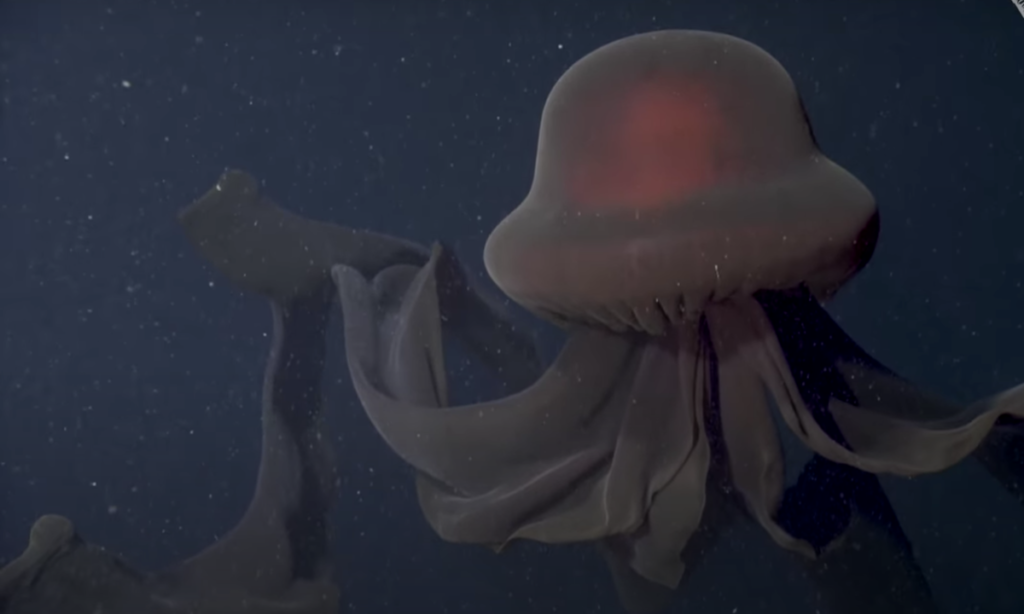
The giant phantom jellyfish (Malo kingi) is making headlines as sightings have increased along the coastal waters of Canada. These elusive creatures, known for their striking appearance and large size, serve as a reminder of the mysteries held within our oceans. Their presence is not just an exciting discovery for marine enthusiasts, but it also presents an important opportunity to study the health of marine ecosystems and biodiversity.
Increased Sightings Along the Coast
Recent reports have indicated a rise in giant phantom jellyfish sightings from British Columbia to Eastern Canada. Marine biologists are intrigued by this phenomenon, particularly as these jellyfish are typically found in deep waters and are not commonly seen near the shore. The Canadian Wildlife Federation confirms that these sightings have peaked during the summer months, coinciding with warmer water temperatures, which may affect the jellyfish’s migration patterns.
Significance of Giant Phantom Jellyfish
The giant phantom jellyfish is notable for its massive size, with bell diameters reaching up to 40 inches and tentacles that can extend over 100 feet. This species plays a crucial role in its ecosystem, serving both as predator and prey. Adult jellyfish feed on small fish and plankton while also being a food source for larger marine animals, contributing to the marine food web. Understanding their behavior and migration can provide insights into the changing dynamics of marine ecosystems caused by climate change and fishing practices.
Research and Public Interest
As scientists and educators emphasize the importance of marine conservation, the appearance of giant phantom jellyfish offers a unique opportunity for research and public engagement. Marine education programs are using these sightings to promote awareness about ocean conservation efforts. With their mesmerizing appearance, these jellyfish captivate the public’s imagination, fostering a connection to marine environments that benefits both conservation efforts and scientific funding.
Conclusion
The increasing presence of giant phantom jellyfish on Canadian shores raises both excitement and questions. Their sightings not only signify a unique marine phenomenon but also emphasize the importance of monitoring our oceans in light of environmental changes. As scientists continue to study these majestic creatures, their findings may shed light on broader ecological issues, ultimately reaffirming the vital connection between marine life and the health of our planet’s oceans. The giant phantom jellyfish will undoubtedly continue to intrigue and inspire future generations as we strive to understand and protect the mysteries of the marine world.