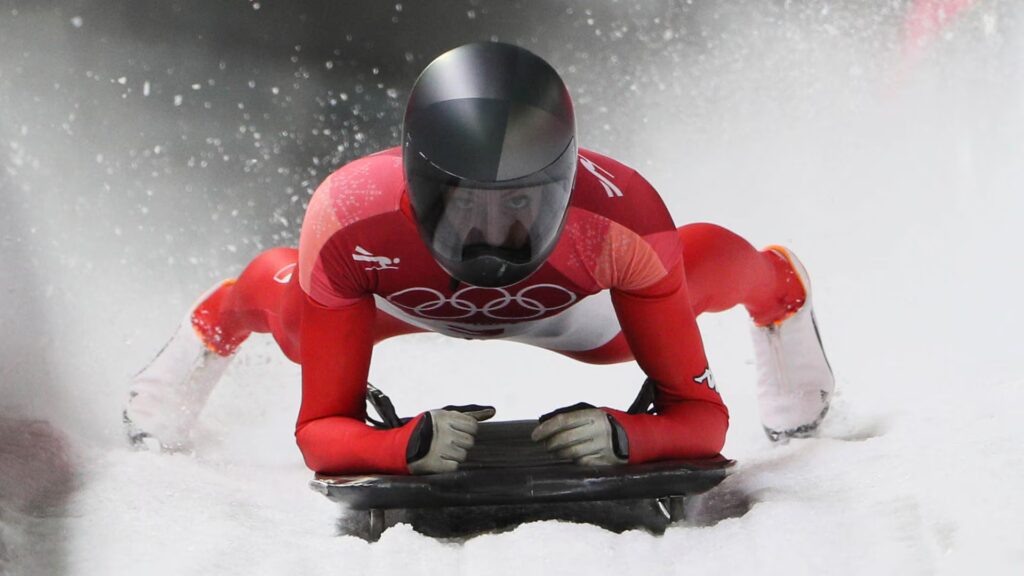
Introduction to Skeleton Olympics
The Skeleton Olympics is a captivating winter sport that combines speed, skill, and precision as athletes navigate a challenging ice track. As one of the most exhilarating events in the Winter Olympic Games, skeleton racing has garnered significant interest from fans and aspiring athletes alike. The importance of this event lies not only in the adrenaline-inducing competition but also in its rich history and the dedication of its athletes.
History and Evolution
Skeleton racing originated in the late 19th century in Switzerland and was introduced to the Olympics in 1928. The sport has evolved over the years, with advancements in technology and training methods enhancing performance and safety. Notably, the sport had a hiatus from the Olympic agenda, returning to the games in 2002, where it has continued to grow in popularity and visibility.
Rules and Format of the Game
Skeleton involves athletes making timed runs on a small sled while lying face down. Races are typically held on a standard track, which features a series of curves and straight sections requiring both speed and precise steering. Competitors are timed over two or four runs, with the fastest overall time crowning the winner. The intense nature of this sport demands great skill, focus, and a touch of bravery, showcasing the unique talents of each athlete.
Recent Developments
With the upcoming Winter Olympics scheduled for February 2026 in Milan-Cortina, Italy, the excitement around skeleton racing is at an all-time high. Athletes from various countries have been competing in World Cup events to qualify and hone their skills. Additionally, there is a growing emphasis on diversity within the sport, with initiatives encouraging more athletes from underrepresented backgrounds to participate.
Conclusion and Future Outlook
The Skeleton Olympics is more than just a competition; it’s a thrilling display of athleticism that continues to draw in spectators every four years. As we approach the 2026 Winter Olympics, fans can expect even more fierce competition and remarkable displays of sportmanship. With an increased focus on inclusivity and the future potential of emerging athletes, the skeleton racing scene is poised to evolve and inspire a new generation. For fans and athletes alike, the Skeleton Olympics remains a significant and exciting part of winter sports culture.